Introduction to Hyaluronic Acid
Hyaluronic acid, with the molecular formula (C14H21NO11)n, is a glycosaminoglycan consisting of a disaccharide unit formed from D-glucuronic acid and N-acetylglucosamine.
Characterized by its unique molecular structure and physicochemical properties, hyaluronic acid performs several vital physiological functions within the body. These include joint lubrication, regulation of blood vessel wall permeability, modulation of protein, water, and electrolyte diffusion, and facilitation of wound healing.
Product Specifications
| Parameter | Standard | Result |
|---|---|---|
| Product Name | Hyaluronic Acid | |
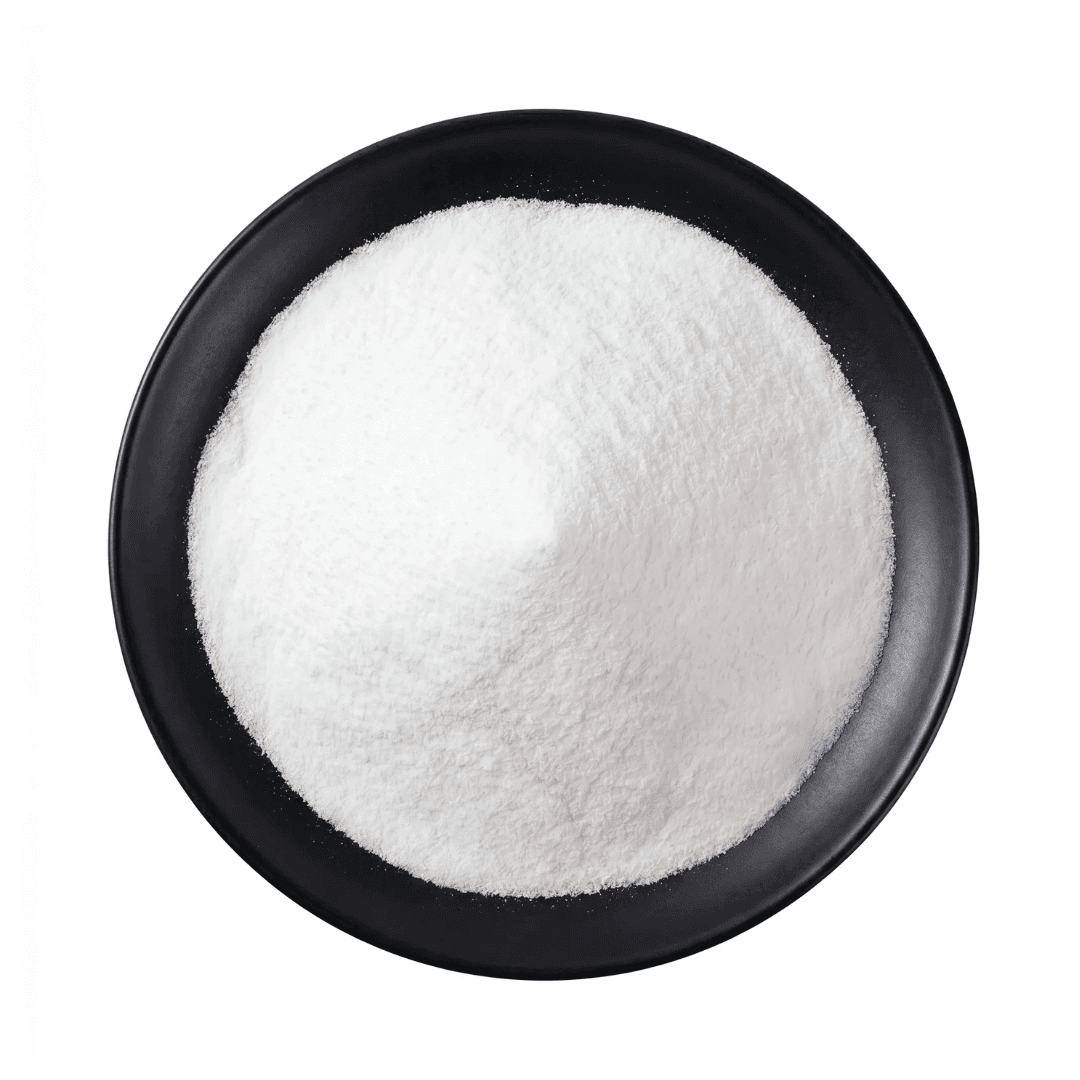
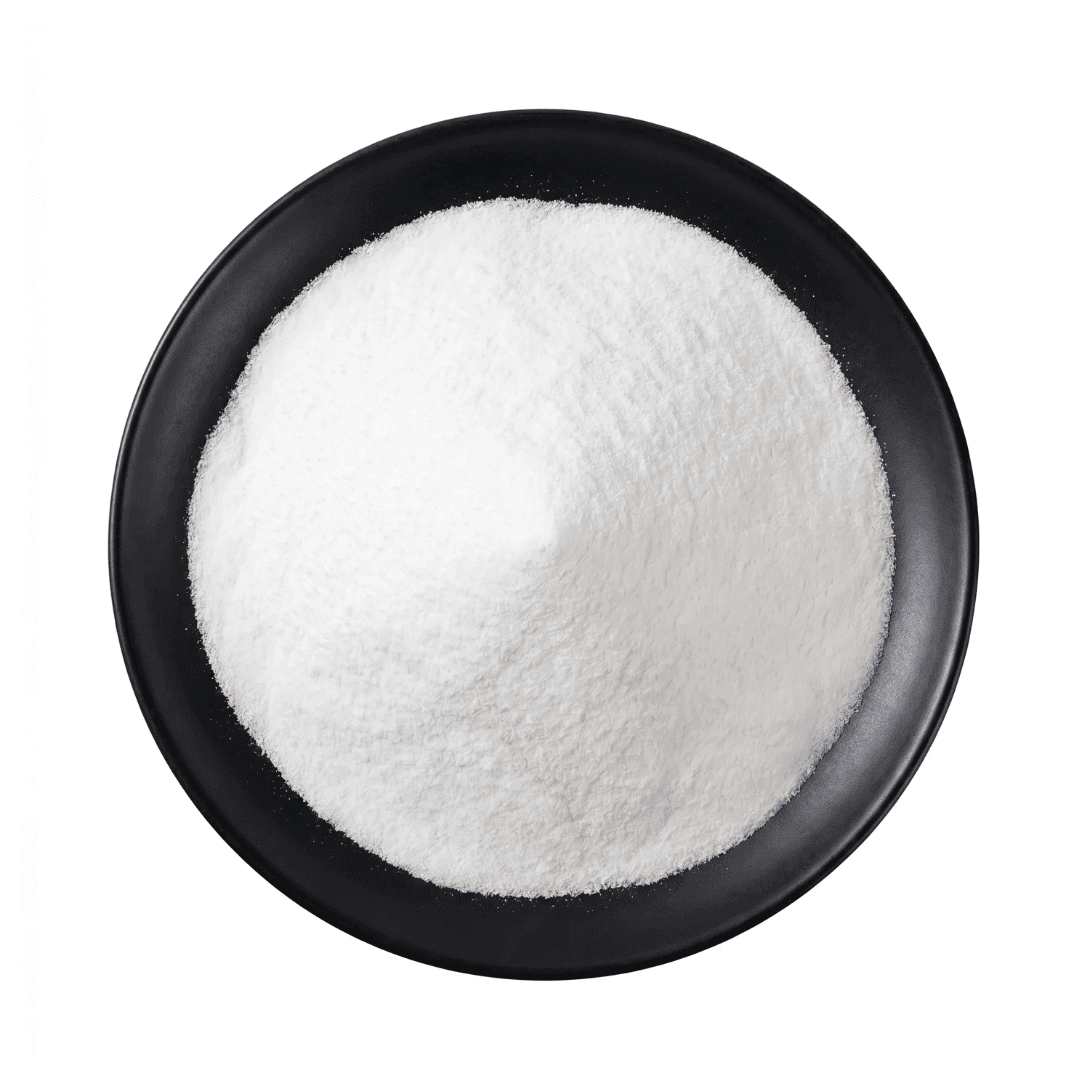
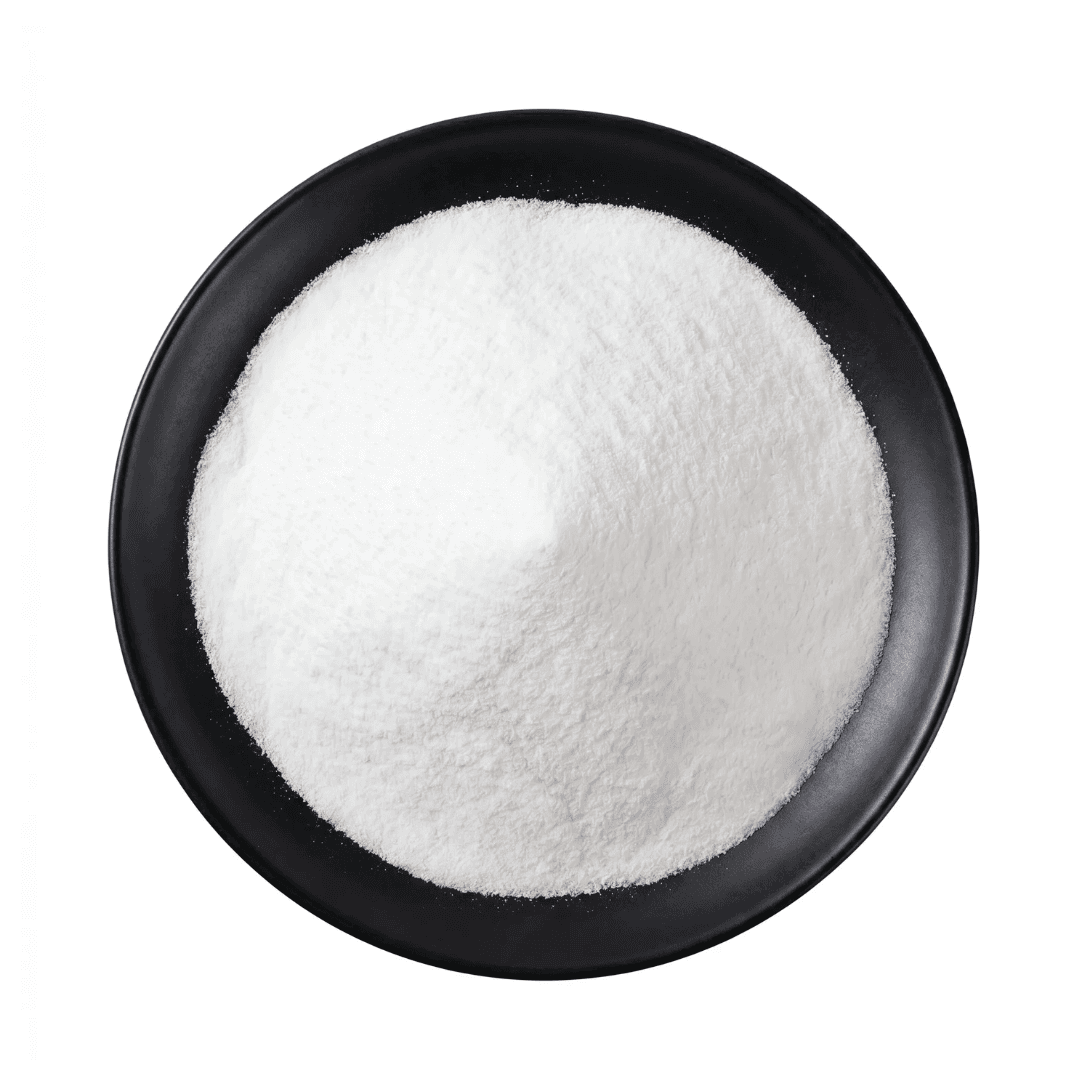
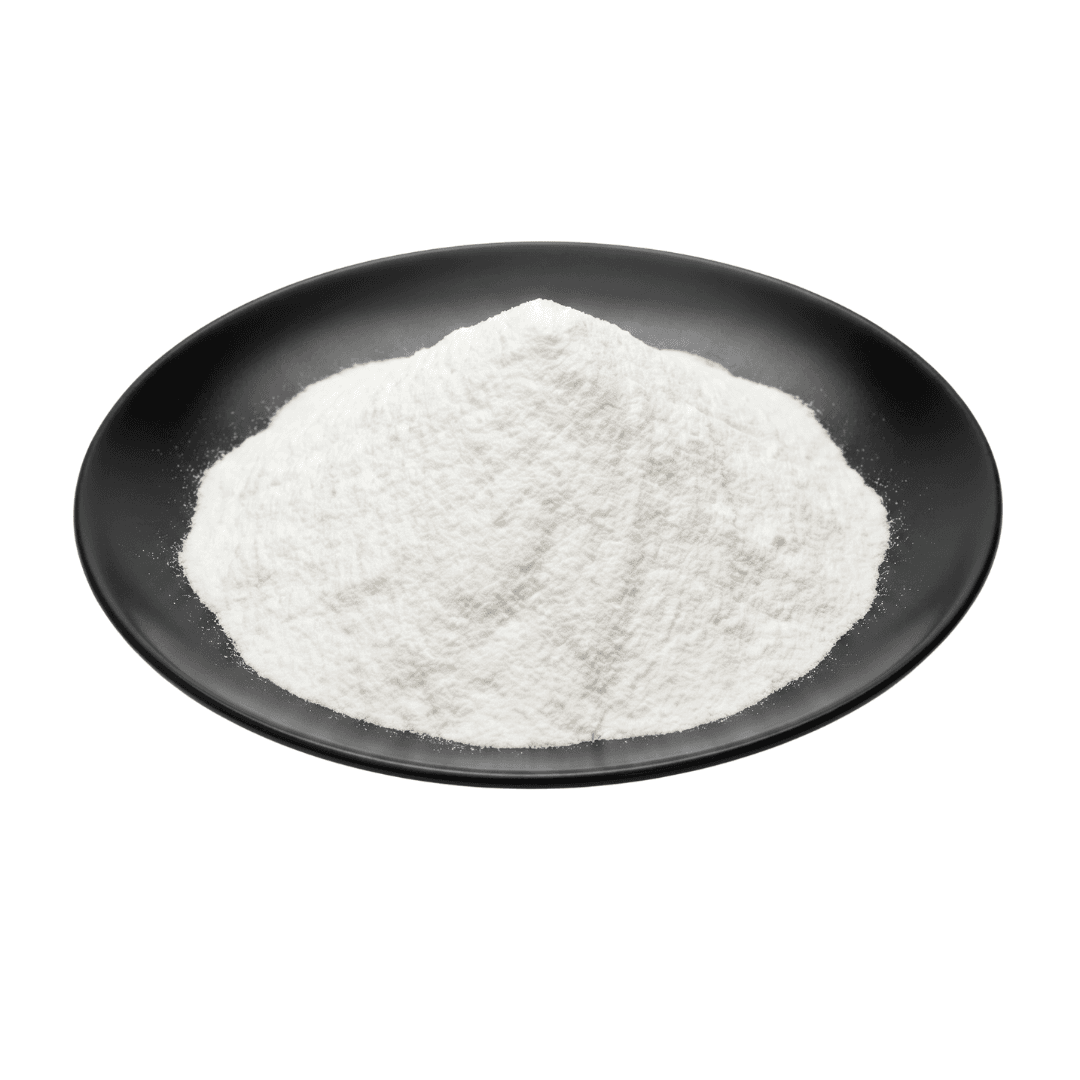
| Color and Appearance | White or almost white powder or granule | White powder |
| Glucuronic Acid | ≥44.5% | 47.5% (Conform) |
| Sodium Hyaluronate | ≥92.0% | 98.3% (Conform) |
| pH | 5.0 - 8.5 | 6.8 (Conform) |
| Solution Appearance (T550nm) | ≥99.0% | 99.8% (Conform) |
| Loss on Drying | ≤10.0% | 5.8% (Conform) |
| Molecular Weight (Measured) | - | 3.02×10³ |
| Intrinsic Viscosity (Measured) | - | 18.8 dL/g |
| Bulk Density (Measured) | - | 0.28 g/cm³ |
| Tap Density (Measured) | - | 0.39 g/cm³ |
| Protein | ≤0.1% | 0.06% |
| Residue on Ignition | ≤20.0% | 18.10% |
| Heavy Metals | ≤20 mg/kg | <10 mg/kg |
| Arsenic | ≤2 ppm | <2 ppm |
| Bacteria Count | ≤500 cfu/g | <10 cfu/g |
| Molds & Yeast | ≤100 cfu/g | <10 cfu/g |
| Staphylococcus aureus | Negative | Negative |
| Escherichia coli | Negative | Negative |
| Salmonella | Negative | Negative |
Key Functions of Hyaluronic Acid
1. Pharmaceutical Applications
Hyaluronic acid is a primary component of connective tissues such as the interstitial matrix, vitreous body, and synovial fluid. It performs essential physiological roles, including water retention, maintenance of extracellular space, osmotic pressure regulation, lubrication, and cellular repair promotion.
As the main constituent of the intercellular matrix, it directly participates in regulating electrolyte exchange and acts as a filter for physical and molecular signals. Its distinct properties have led to widespread use in the medical field.
2. Health and Wellness
The human body contains approximately 15 grams of hyaluronic acid, which is crucial for various physiological activities. A reduction in its levels in the skin diminishes water retention, leading to roughness and wrinkles. Similarly, decreased hyaluronic acid in other tissues and organs can contribute to conditions like arthritis, arteriosclerosis, pulse disorders, and brain atrophy, and is associated with accelerated aging.
3. Cosmetic Benefits
Naturally present in the skin, hyaluronic acid assists in absorbing water from both the body and the skin’s surface, enhancing long-term hydration. When it binds water, it creates a moist environment for elastic fibers and collagen, maintaining skin elasticity. However, skin levels begin to decline after age 25. By age 30, only about 65% of the youthful amount remains, dropping to 25% by age 60. This loss leads to diminished moisture, elasticity, and eventual appearance of fine lines and wrinkles.
Practical Applications
In medical settings, hyaluronic acid serves as a viscoelastic agent in ophthalmic lens implantation, a filler in joint surgeries for osteoarthritis and rheumatoid arthritis, and a medium in eye drops. It is also employed to prevent post-surgical adhesions and promote skin wound healing. Its ability to form compounds with other drugs enables sustained, targeted, and timed release, with its medical applications expanding as technology advances.
It plays important physiological roles in various tissues and organs—including joints, blood vessels, heart, and brain—by lubricating and retaining water. Lower levels in these areas may lead to arthritis, arteriosclerosis, and other disorders. Oral supplementation can help replenish hyaluronic acid, delay aging, and promote vitality.
Due to aging, smoking, sleep habits, and gravity, the gradual loss of hyaluronic acid in the skin contributes to reduced collagen and elastic fibers in the dermis, resulting in skin laxity and facial wrinkles. Hyaluronic acid is highly effective in addressing multiple types of wrinkles.
Specific Cosmetic Uses:
- Rhinoplasty: Hyaluronic acid injection offers a fast, non-surgical, and virtually pain-free alternative to traditional prosthetic rhinoplasty.
- Facial Volumizing: It is widely used to correct age-related volume loss in the temples, cheeks, around the eyes, brow arches, and lips, effectively treating tear troughs, nasolabial folds, and marionette lines (the three "eight" lines on the face).
- Lip Enhancement: As lips naturally thin and develop wrinkles with age, hyaluronic acid filler provides a popular and well-regarded solution for lip augmentation.
- Scar Revision: It can also be utilized to fill and improve the appearance of acne scars, traumatic scars, surgical scars, and asymmetry from birth defects.
Why Choose Extract Makers
Extract Makers is a leading supplier and researcher of pharmaceutical raw materials, plant extracts, and health care ingredients with over 8 years of experience. We have established partnerships with clients across China, the USA, Europe, the Middle East, Southeast Asia, and other regions.
Our guiding principles are Health, Youth, Passion, and Service.
We offer a wide range of pharmaceutical raw materials. For inquiries, please contact us via email:
Email: [email protected]