Introduction to the Compound
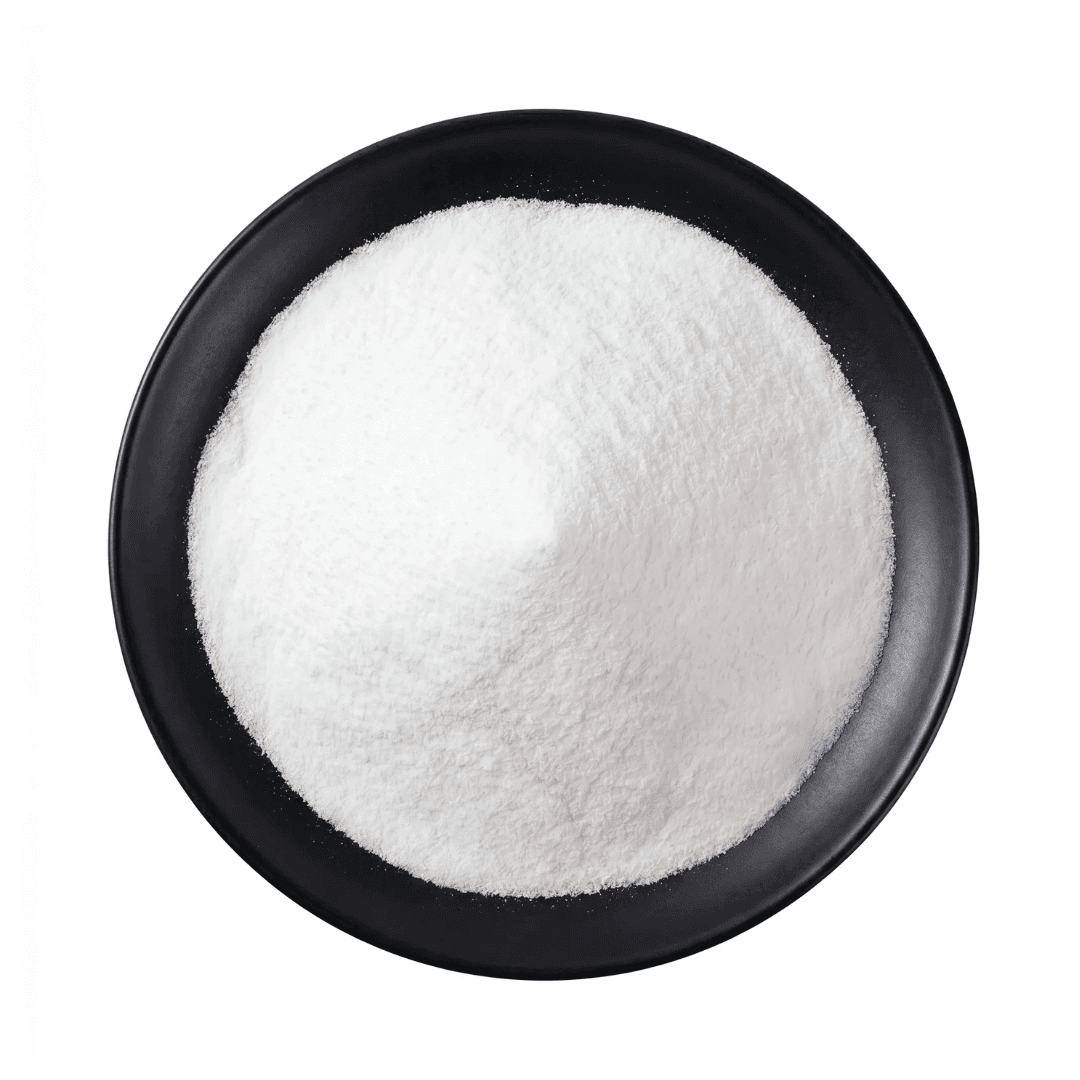
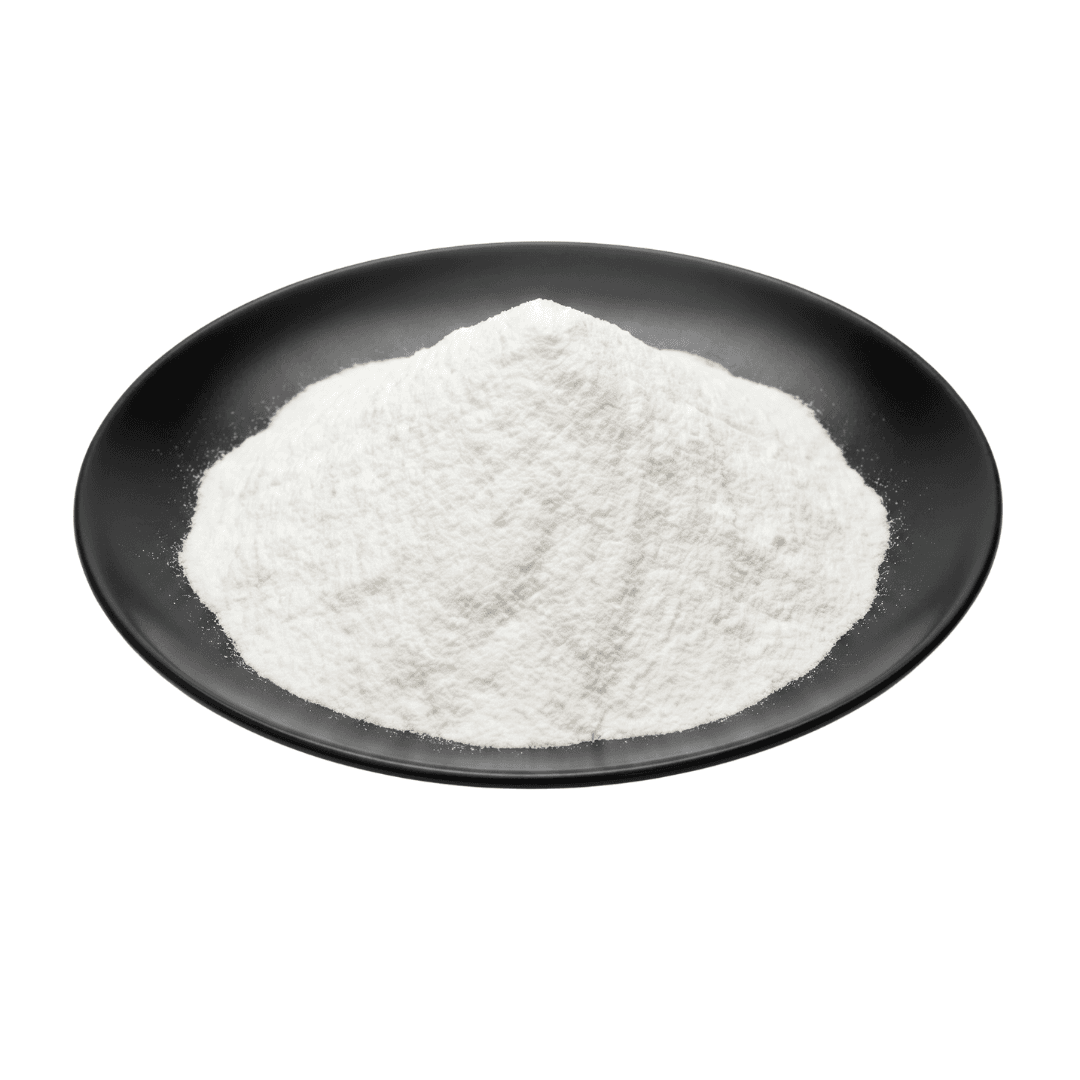
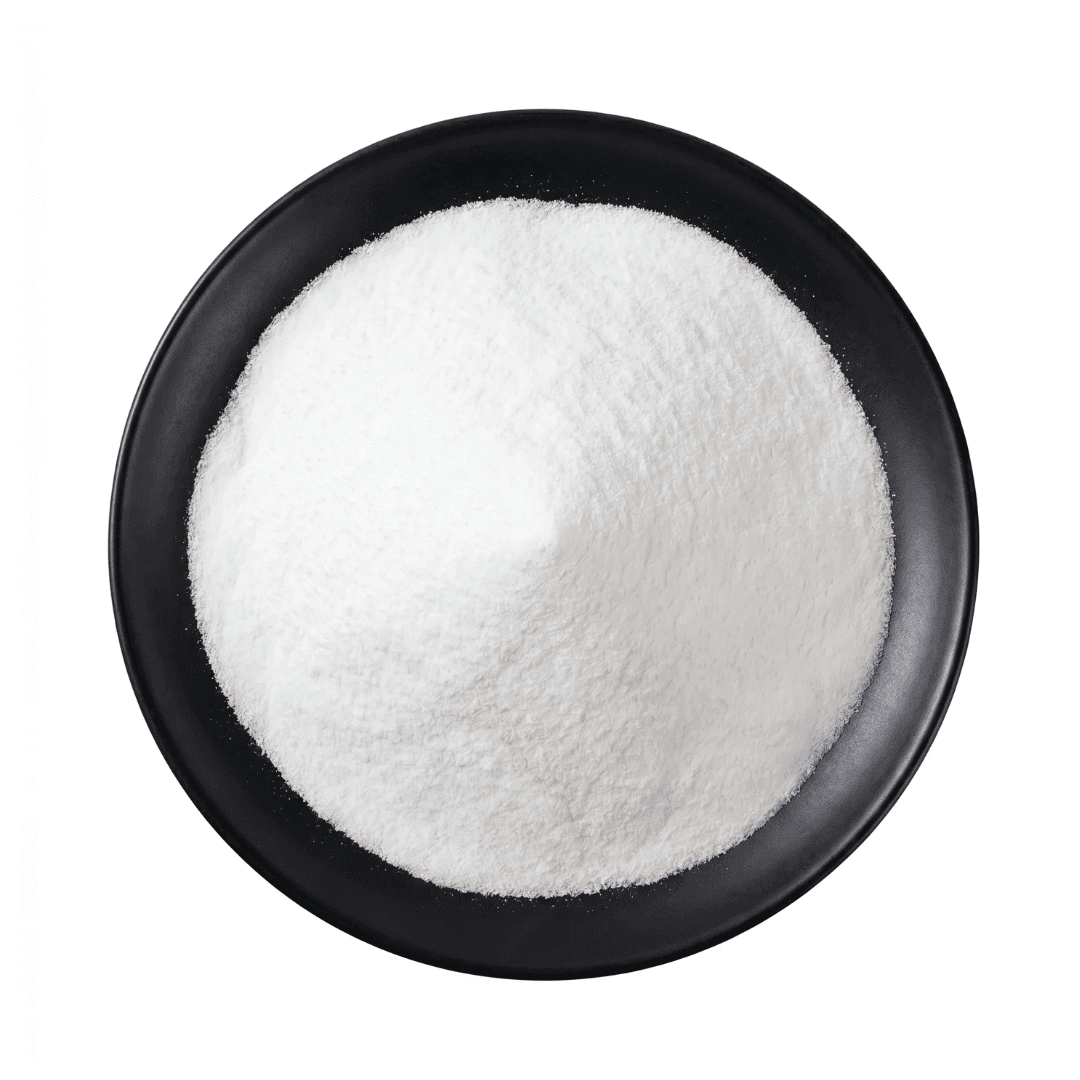
Isonicotinamide, alternatively referred to as 4-pyridinecarboxamide, is an organic compound with the chemical formula C₆H₆N₂O. It is the amide derivative of isonicotinic acid and presents as a white crystalline powder. This compound serves as a key pharmaceutical intermediate. The pyridine derivative features a crucial amide functional group, a moiety prevalent in numerous natural products, pharmaceutical agents, and high-value fine chemicals.
Primary Functions and Applications
1. Core Antimycobacterial Activity
Isonicotinamide exhibits potent inhibitory and bactericidal activity against Mycobacterium tuberculosis. It demonstrates excellent penetration of bacterial biofilms and is considered a first-line therapeutic agent due to its proven efficacy, favorable safety profile, cost-effectiveness, and convenient oral administration. The compound features a high oral absorption rate. After administration, serum concentrations peak within one to two hours. It is characterized by a specific volume of distribution and a low protein binding rate within the body. The compound is primarily metabolized via acetylation, with a portion undergoing hydrolysis. Population genetics divide individuals into "fast" and "slow" acetylators, leading to significantly different metabolic half-lives. It readily traverses the blood-brain barrier, making it suitable for treating various forms of tuberculosis, including meningitis and other extrapulmonary manifestations. It is typically administered in combination with other anti-tuberculosis drugs to maximize therapeutic effect, combat drug-resistant strains, and is also indicated for other bacterial infections such as dysentery, whooping cough, and erysipelas.
2. Historical Antidepressant Application
Notably, this compound was one of the earliest discovered antidepressants, though its clinical use for this purpose was discontinued due to significant hepatotoxicity concerns.
3. Antibacterial Properties
It displays a high degree of selectivity for Mycobacterium tuberculosis. In vitro, it inhibits bacterial growth at very low concentrations and achieves bactericidal action at higher concentrations against actively reproducing bacilli. Its efficacy is consistent against both intracellular and extracellular forms of the bacteria. While monotherapy can lead to drug resistance, combination regimens effectively delay resistance development and enhance treatment outcomes. Crucially, it does not exhibit cross-resistance with other classes of antitubercular drugs.
The precise mechanism of action, though extensively studied, remains a subject of scientific investigation. One proposed theory involves its conversion to isonicotinic acid, which then acts as an antimetabolite, disrupting normal cellular redox reactions. Another leading theory suggests it inhibits a key desaturase enzyme, thereby blocking the synthesis of unsaturated fatty acids essential for building mycolic acid—a vital component of the mycobacterial cell wall—ultimately compromising the structural integrity of the bacterium.
Industrial and Pharmaceutical Use
- Primarily utilized as a versatile pharmaceutical intermediate.
- Notably employed in the synthesis of specific antibiotics like Cefalonium.
Packaging and Logistics
Standard packaging typically involves foil-sealed bags containing 1 kg of powder per bag, with export-grade drums holding 25 kg each.
Customized packaging solutions are available to meet specific client requirements.
We offer flexible shipping options, including courier, sea, and air freight.
For detailed packaging and shipment visuals, please refer to the reference images below.
Should you have any questions or require further information regarding Isonicotinamide, please do not hesitate to contact us at our email address: [email protected]