Product Introduction
Epoprostenol sodium (Prostaglandin I₂ sodium salt) is a laboratory-synthesized analog of naturally occurring prostaglandin I₂, primarily studied for its role in pulmonary arterial hypertension (PAH) research. As a powerful suppressor of platelet clumping, Epoprostenol sodium is utilized in both clinical and experimental settings related to pulmonary hypertension and organ transplantation. This compound mimics endogenous prostacyclin, a key vascular mediator with vasodilatory and anti-aggregatory properties. Prostacyclin functions by countering thrombin activity—its deficiency is linked to heightened clot formation. PGI₂ shares functional similarities with aspirin and other antithrombotic agents, exerting effects within vascular tissue by dilating small blood vessels, suppressing platelet activation, preventing thrombosis, blocking inflammatory mediator release, and modulating tissue remodeling.
Epoprostenol has a short half-life due to its instability; it rapidly degrades in the bloodstream to 6-keto-PGF1α within 2–3 minutes. While the metabolite is more chemically stable, it exhibits significantly diminished biological activity.
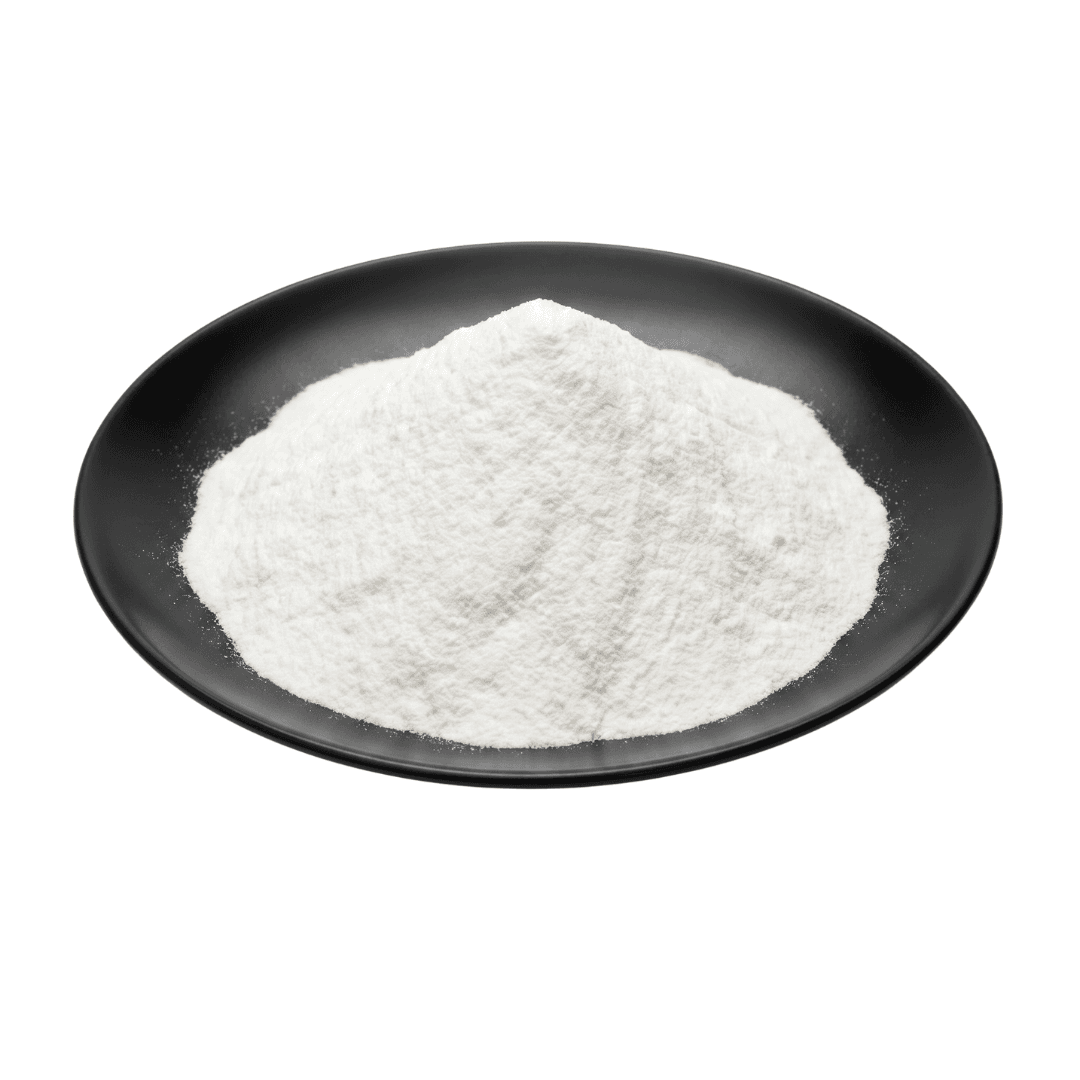
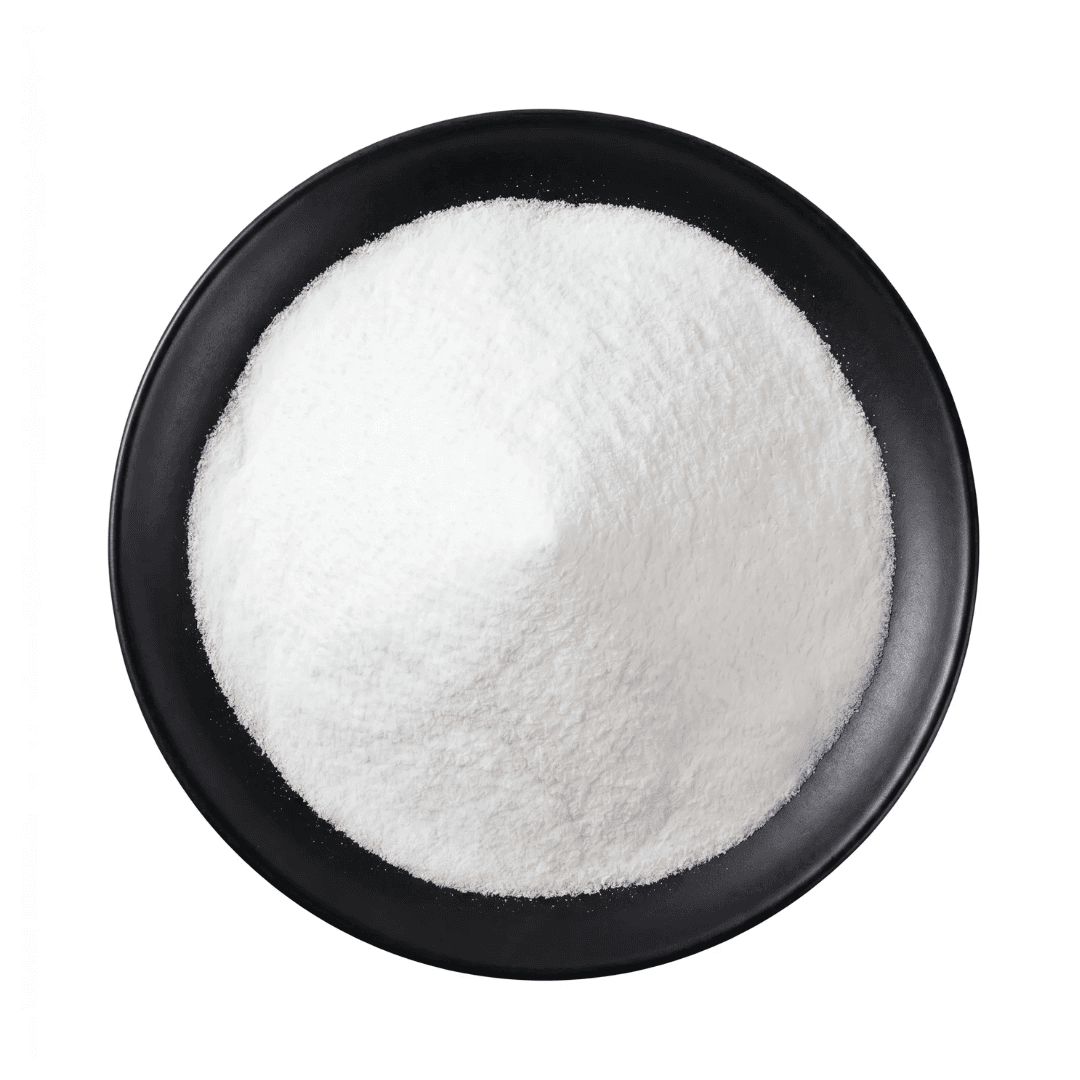
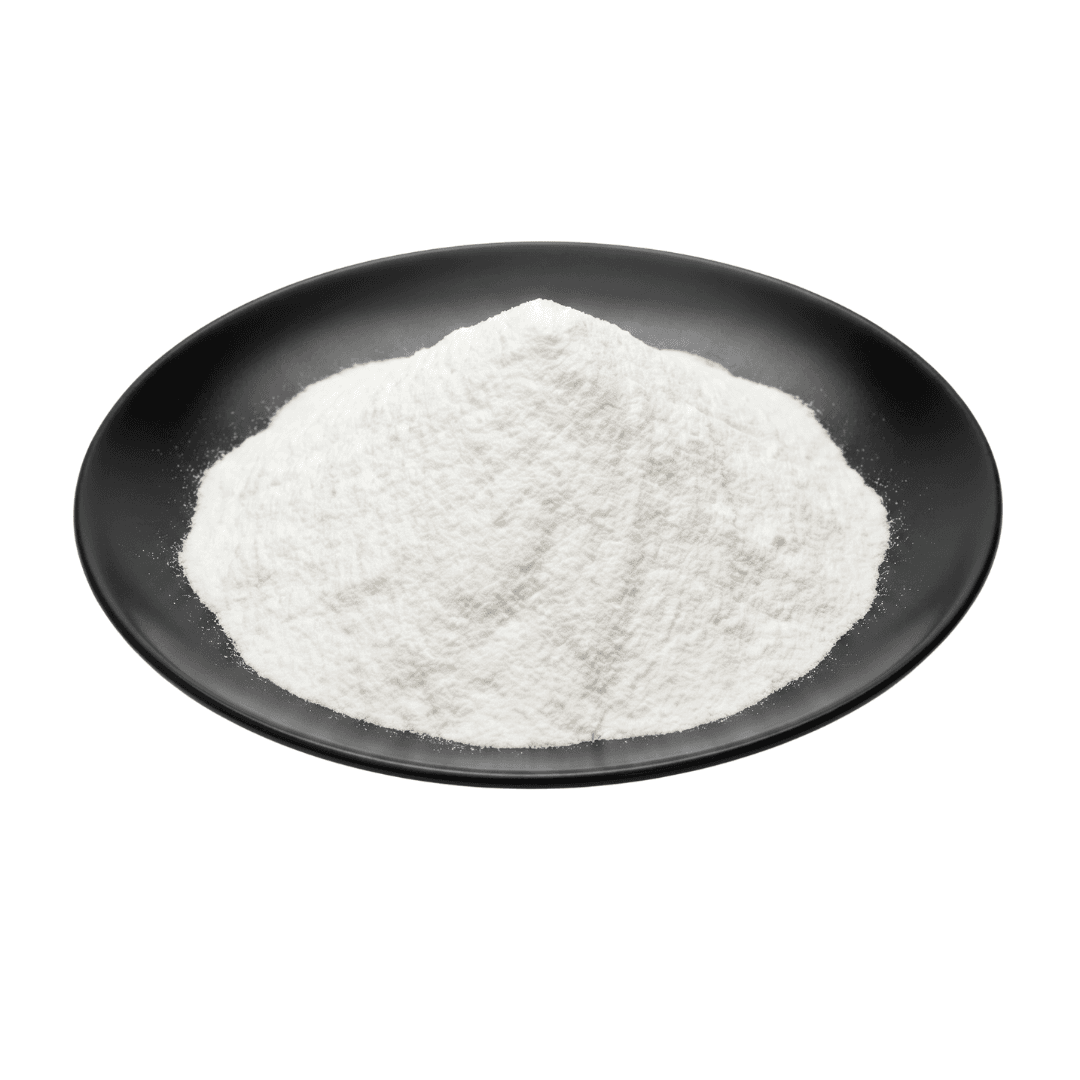
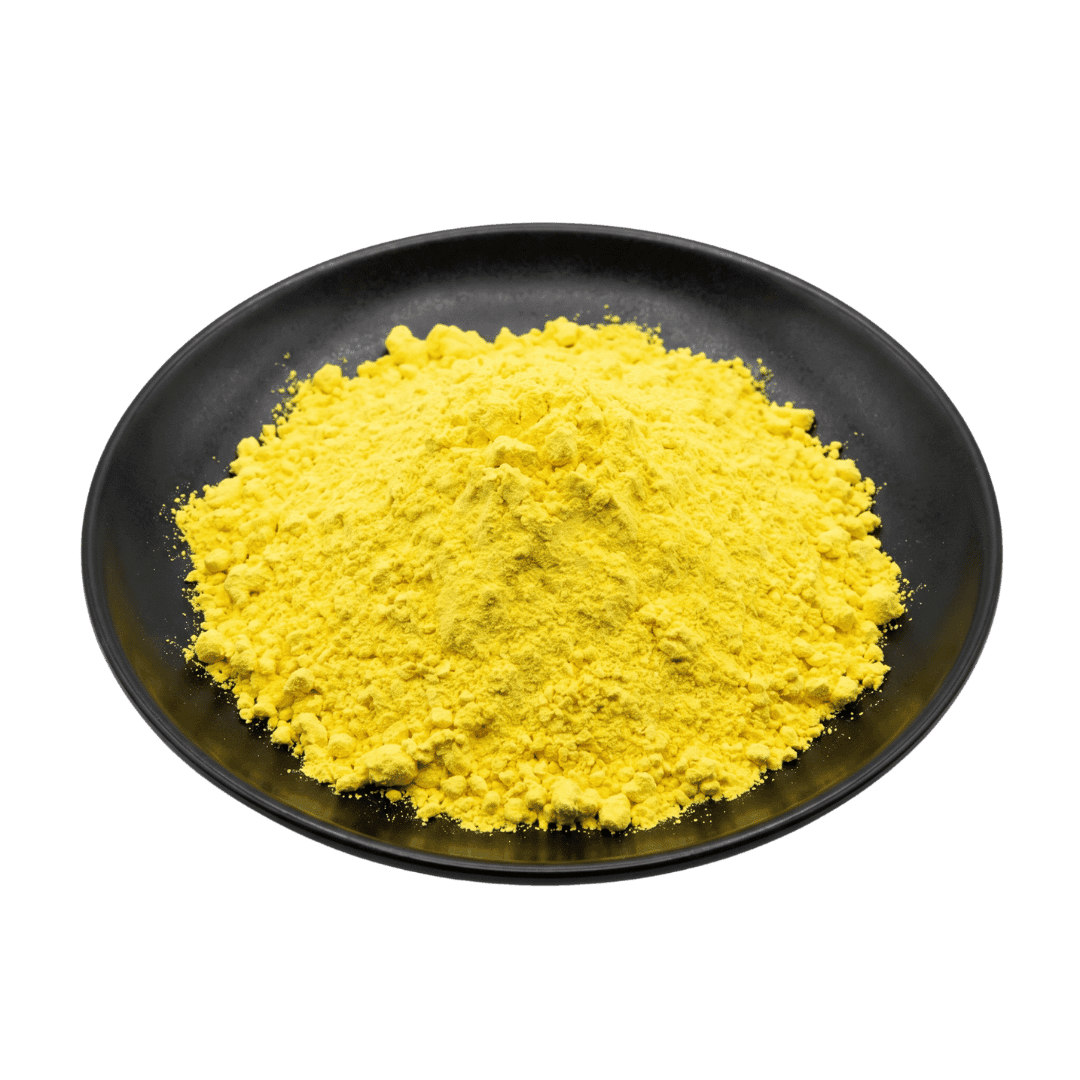
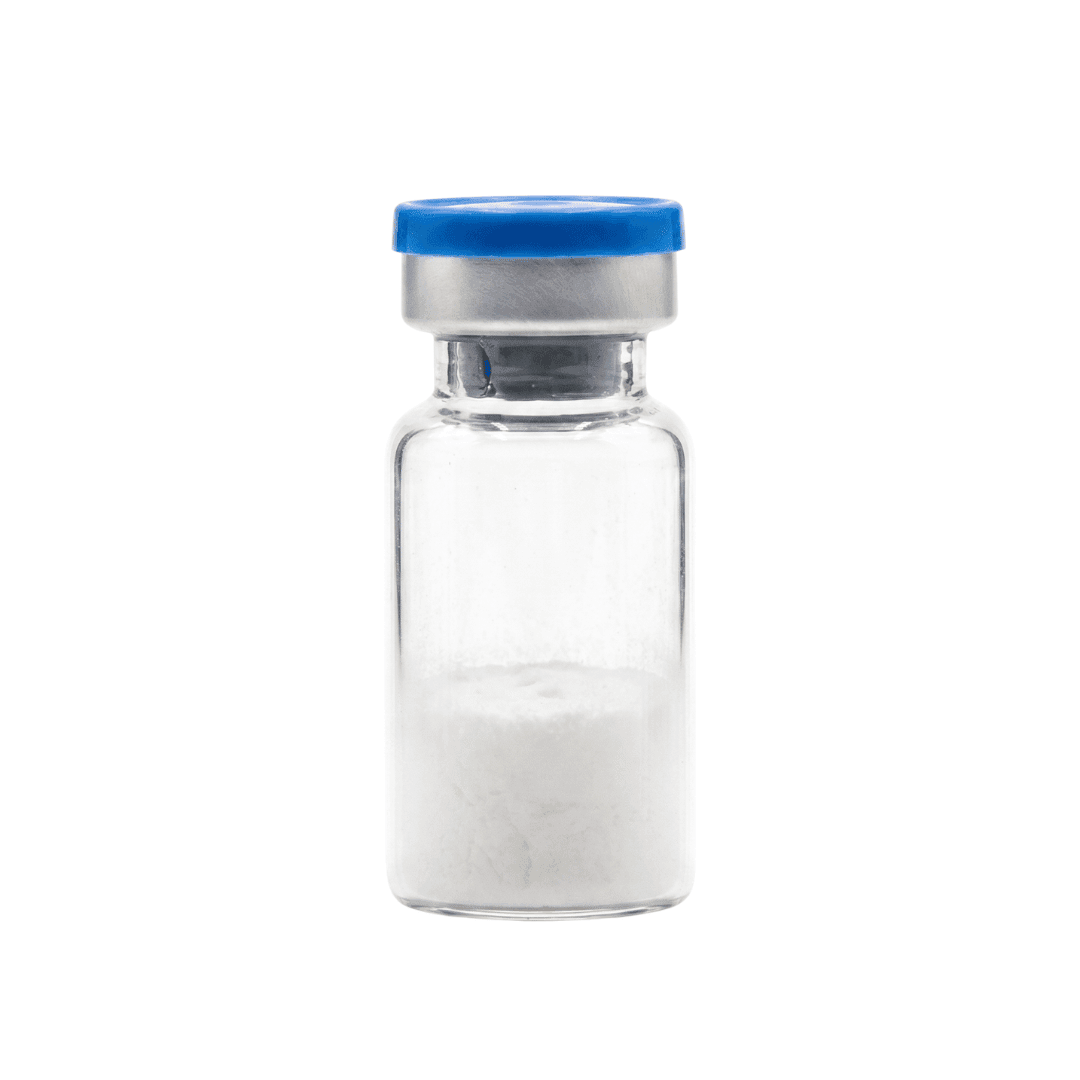
Product Photo and Action
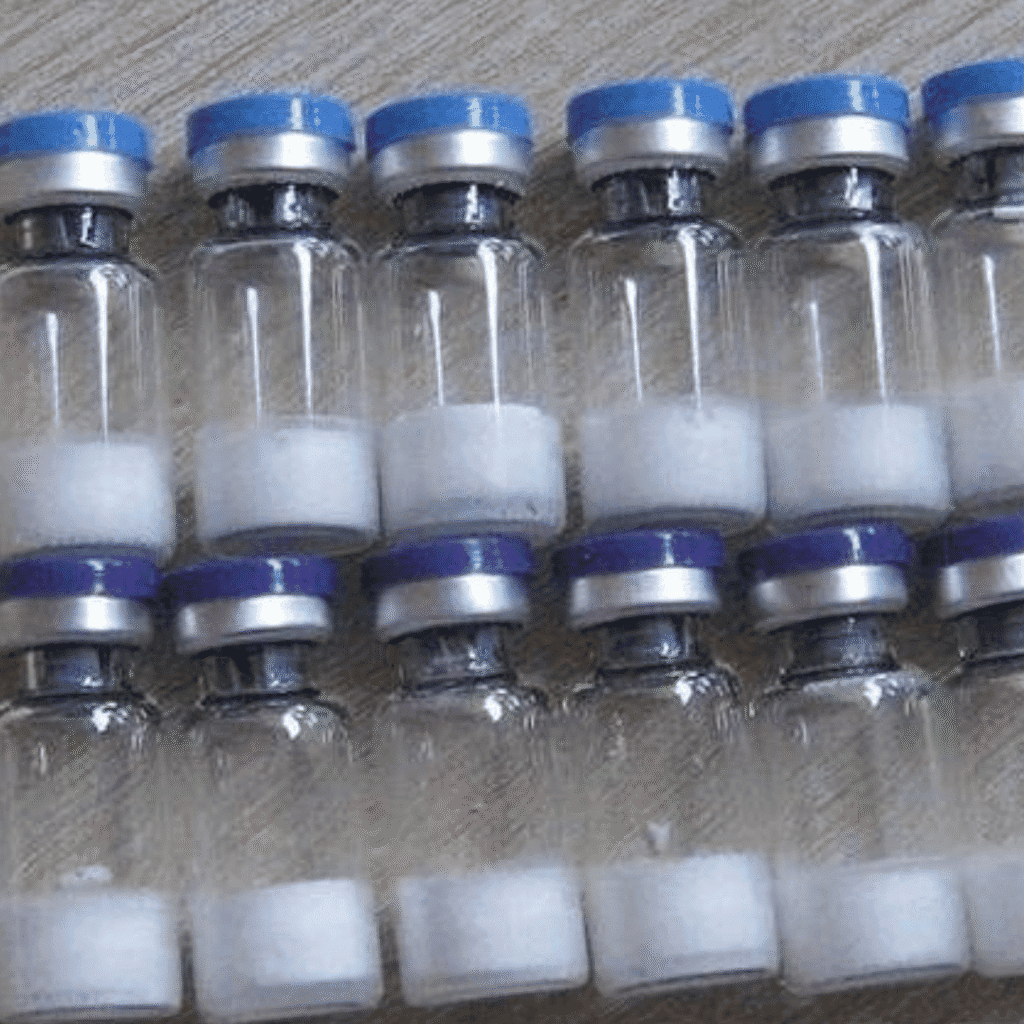
Product Function
Primarily employed as an antiplatelet agent, Epoprostenol sodium mitigates hypercoagulability in select cardiovascular conditions, including procedures such as cardiopulmonary bypass and hemodialysis. It is also indicated in the management of severe peripheral vascular disorders (e.g., Raynaud’s phenomenon), ischemic heart disease, idiopathic pulmonary hypertension, and conditions associated with excessive platelet consumption.
Pharmacology and Indications
Epoprostenol sodium exerts both antiplatelet and vasodilating actions, making it effective in preventing clot formation. The antiplatelet mechanism is believed to stem from its activation of adenylate cyclase, leading to increased intracellular cyclic AMP (cAMP) levels in platelets—thereby inhibiting aggregation.
Precautions
Frequently reported side effects include low blood pressure, elevated heart rate, facial redness, and headache—these symptoms typically intensify with higher dosages. Additional potential effects include abdominal cramps, nausea, vomiting, digestive discomfort, hyperglycemia, drowsiness, and chest pain.
Usage and Dosage
Administered intravenously at a continuous infusion rate of 5 mg/kg per minute. Preparation and initiation occur at the time of direct clinical use, with duration adjusted based on medical assessment and patient response.
Packaging
Sodium Epoprostenol for Injection: 500 µg per vial (supplied with 50 ml of glycine buffer solution).
Classification
Hematologic therapeutic agents
Side Effects and Precautions
Notable adverse reactions include low blood pressure, tachycardia, facial flushing, and occasional gastrointestinal distress. Prostacyclin (PGI₂), a compound of increasing interest in cardiovascular science, is predominantly synthesized by vascular endothelial cells. It exhibits strong vasodilatory properties and suppresses platelet aggregation. A decline in natural prostacyclin synthesis may significantly contribute to thrombosis, particularly in xenotransplant environments.
Product Application
Delivery & Packaging
Standard packaging includes foil-sealed powder pouches at 1 kg per bag, and export-grade drums containing 25 kg per unit. Custom packaging is available upon request to meet specific customer requirements.
For delivery, options include express courier, ocean freight, or air shipment, depending on client needs and logistical considerations.
Further details may be verified via accompanying imagery.
If you have any questions or require additional information regarding Epoprostenol, please feel free to reach out to our team at: [email protected]