Product Introduction
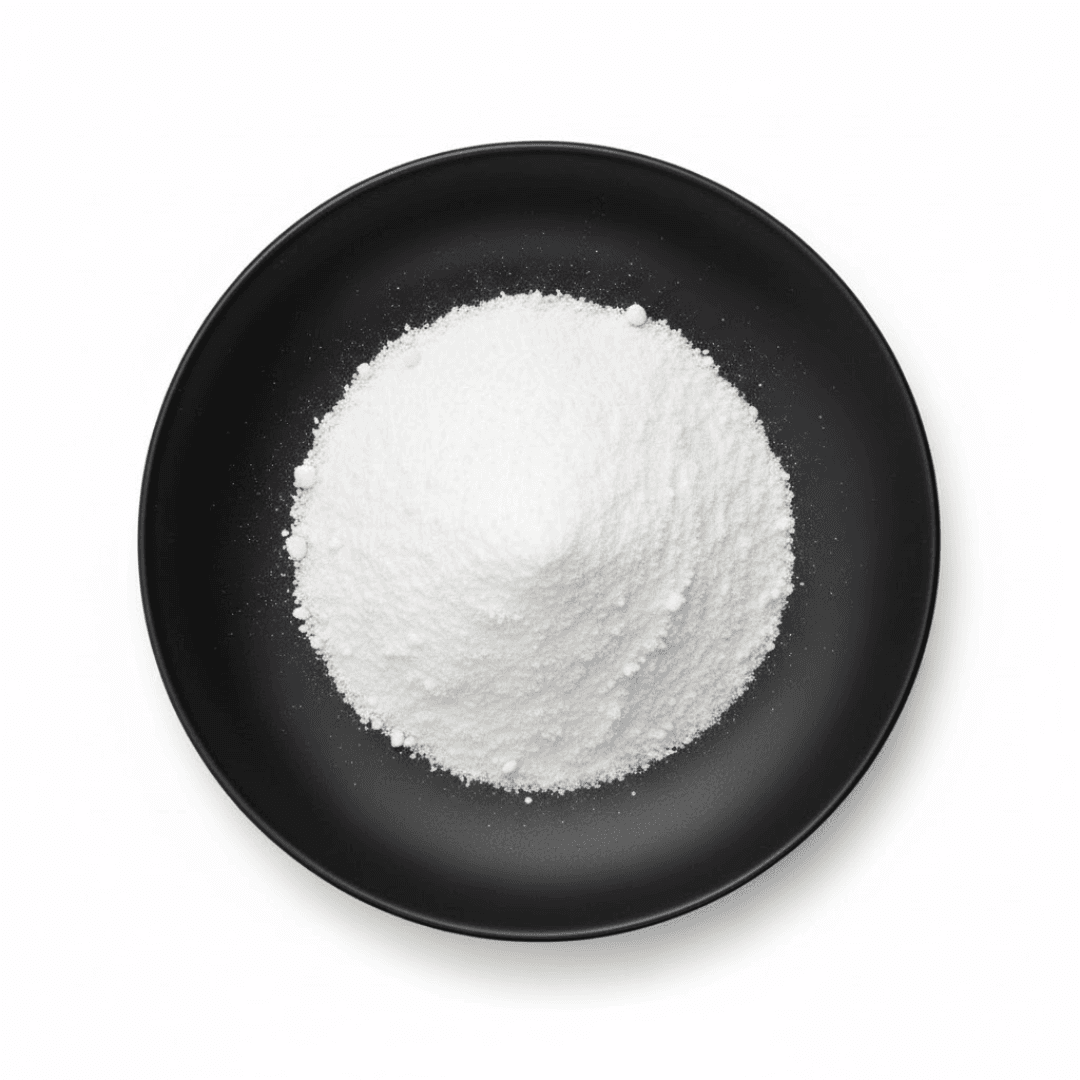
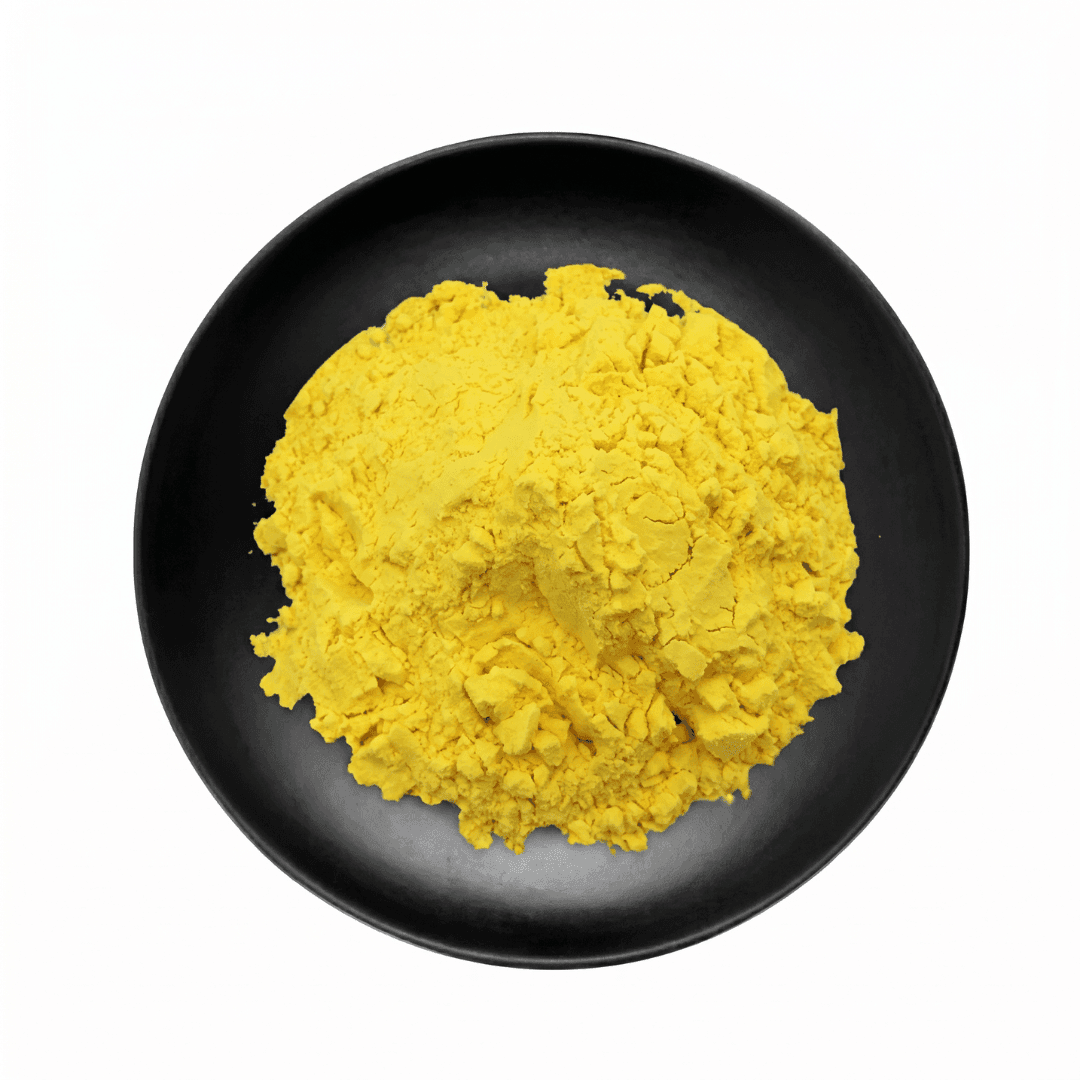
Berberine (also referred to as berberine) is a quaternary ammonium alkaloid extracted from the traditional Chinese medicinal herb Coptis chinensis. It serves as the primary active antibacterial compound in Coptis chinensis, appearing as a bright yellow needle-like crystalline substance with an intensely bitter flavor. Naturally abundant in the plant kingdom, berberine is found in approximately four plant families and ten genera. First isolated in 1826 by M.-E. Chevallier and G. Perrot from the bark of Xanthoxylon clava, its medical significance has long been recognized.
Berberine demonstrates potent antimicrobial activity against pathogens such as hemolytic streptococcus, Staphylococcus aureus, gonorrhoeae, Shigella dysenteriae, and Vibrio cholerae. It enhances leukocyte phagocytosis and shows varying levels of inhibition against Mycobacterium tuberculosis and Yersinia pestis, in addition to exerting an amoebicidal effect in rodent models. In animal studies, berberine exhibits cardioprotective, peripheral vasodilatory, and antipyretic properties. The hydrochloride salt form—commonly known as berberine hydrochloride—has been widely adopted in the treatment of gastroenteritis, bacillary dysentery, tuberculosis, scarlet fever, acute tonsillitis, and upper respiratory tract infections.
In traditional Chinese medicine, herbs like Coptis chinensis, Phellodendron chinense, Sargentodoxa cuneata, and Mahonia fortunei are employed as heat-clearing and detoxifying agents, with berberine being the key bioactive constituent.
Product Functions
Lipid Metabolism Support
Clinical research indicates that daily oral berberine supplementation (1 gram per day for three months) reduces serum cholesterol, low-density lipoprotein (LDL), and triglyceride levels in individuals with hyperlipidemia by 20% to 35%. These lipid-modulating effects have been corroborated in preclinical animal models.Blood Glucose Management
A study published in the journal Diabetes (August edition) revealed that plant-derived berberine supports weight reduction and enhances glucose tolerance by stimulating adenosine monophosphate (AMP) kinase activity. Follow-up experiments with obese and diabetic mice showed weight loss and significant metabolic improvement—without dietary modification.
Additionally, berberine administration reduced adipose deposition and triglyceride accumulation in high-fat-fed Wistar rats and improved insulin responsiveness.
Metabolic Support in Diabetes
Reinforcing earlier findings, berberine continues to show promise as a natural modulator of glucose metabolism. Its role in activating AMP kinase—similar to anti-diabetic pharmaceuticals—contributes to insulin sensitization and improved glycemic control.Cardiovascular Wellness
As a naturally derived compound, berberine not only aids in managing infectious bowel disorders but also plays a significant role in maintaining healthy blood lipid profiles, contributing to overall cardiovascular health.
Pharmacologic Effects
Berberine possesses a broad-spectrum antimicrobial profile, effectively inhibiting and eliminating numerous Gram-positive and Gram-negative bacteria in vitro, including Staphylococcus aureus, hemolytic streptococcus, Vibrio cholerae, Shigella dysenteriae, Salmonella typhi, Bacillus diphtheriae, Meningococcus, and others. At low concentrations, it inhibits bacterial growth; at higher concentrations, it exhibits bactericidal effects.
It also demonstrates inhibitory activity against certain pathogens, including influenza virus, Entamoeba histolytica, Leptospira, and some dermatophytic fungi. In vitro work confirms berberine enhances phagocytic activity of leukocytes and the hepatic reticuloendothelial system. Notably, common pathogens such as Shigella, Staphylococcus, and Streptococcus can rapidly develop resistance to berberine—although it shows no cross-resistance with antibiotics like penicillin or streptomycin.
Pharmacokinetics
Oral bioavailability is limited. Following injection, the compound rapidly distributes widely across vital organs—including the cardiac, skeletal, pulmonary, and hepatic tissues—but achieves only brief systemic retention. Intramuscular bioavailability is below the minimal inhibitory concentration.
The substance is extensively metabolized, with minimal unchanged drug excreted. Within 48 hours, elimination of the parent compound accounts for less than 5% of the administered dose. Berberine does not accumulate in tissues, with only trace amounts detectable after 24 hours.
Recent studies suggest berberine alters the adhesive properties of microbes by reducing bacterial fimbriae, hindering their ability to colonize human epithelial surfaces. It also exerts protective effects against Helicobacter-related conditions, reducing the incidence and severity of gastritis and gastro-duodenal ulcers.
Indications
Primarily prescribed for the treatment of infectious gastrointestinal disorders such as gastroenteritis, bacillary dysentery, and other enteric infections. It is also used in cases of ocular conjunctivitis and purulent otitis media. Newer clinical insights reveal berberine may block α-adrenergic receptors and deliver antiarrhythmic benefits, expanding its therapeutic potential.
Dosage
Administer orally at 0.1–0.3 grams per dose, three times daily. For external use (e.g., topical skin or ocular applications), concentrations typically range from 0.6% to 1.0%. Intravenous delivery is strictly prohibited due to safety concerns.
Product Application
Clinically, berberine is utilized to help prevent Mycoplasma infections in avian species such as chickens and turkeys, though it does not treat established cases in swine. It may assist in managing conditions including pneumonia, mastitis, uterine infections, and enteritis caused by Staphylococcus aureus, Streptococcus pyogenes, Clostridium perfringens, and spirochete infections. However, efficacy against Escherichia coli and Bordetella bronchiseptica remains limited.
In poultry farming, berberine-based preparations are also employed to prevent coccidiosis and as a dipping treatment for breeding eggs to reduce vertical transmission of Mycoplasma in turkeys.
Delivery & Packaging
Standard supply includes berberine packed in food-grade aluminum foil bags (1kg per unit) or professionally sealed export-grade drums (25kg per drum). Packaging is also available upon request to meet specific client requirements.
We offer multiple shipping options: express courier (DHL, FedEx, UPS), sea freight for bulk orders, or air freight for urgent deliveries.
(Reference image not included – for visual layout of packaging options)
For all inquiries, technical specifications, or orders related to berberine, please contact our global support team via email: [email protected] [[email protected]] — the Extract Makers team is ready to assist. Whether you're sourcing pure berberine hydrochloride, seeking bulk quantities, or exploring customized formulations, we provide consistent quality and reliable supply from Extract Makers, your partner in natural plant extract innovation.