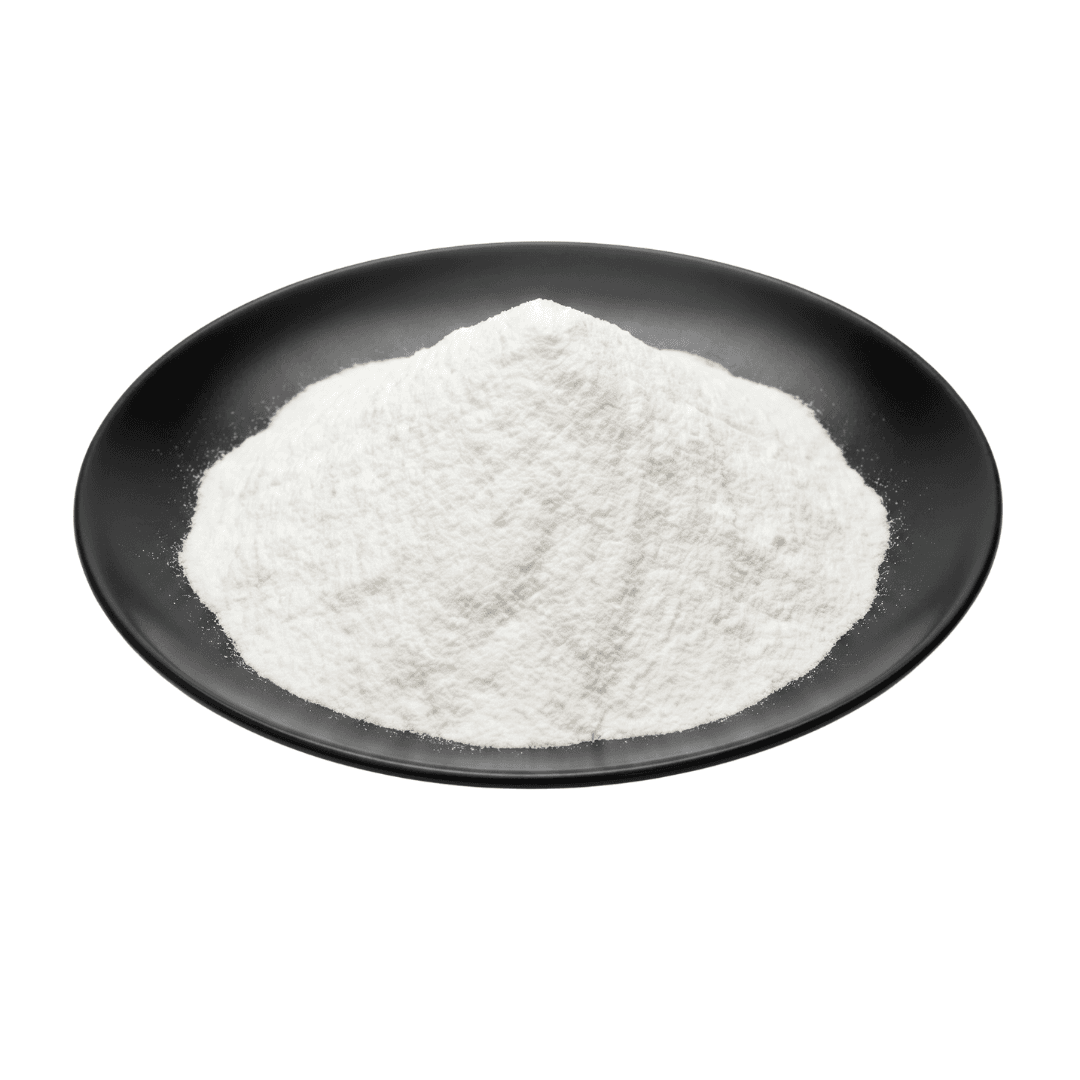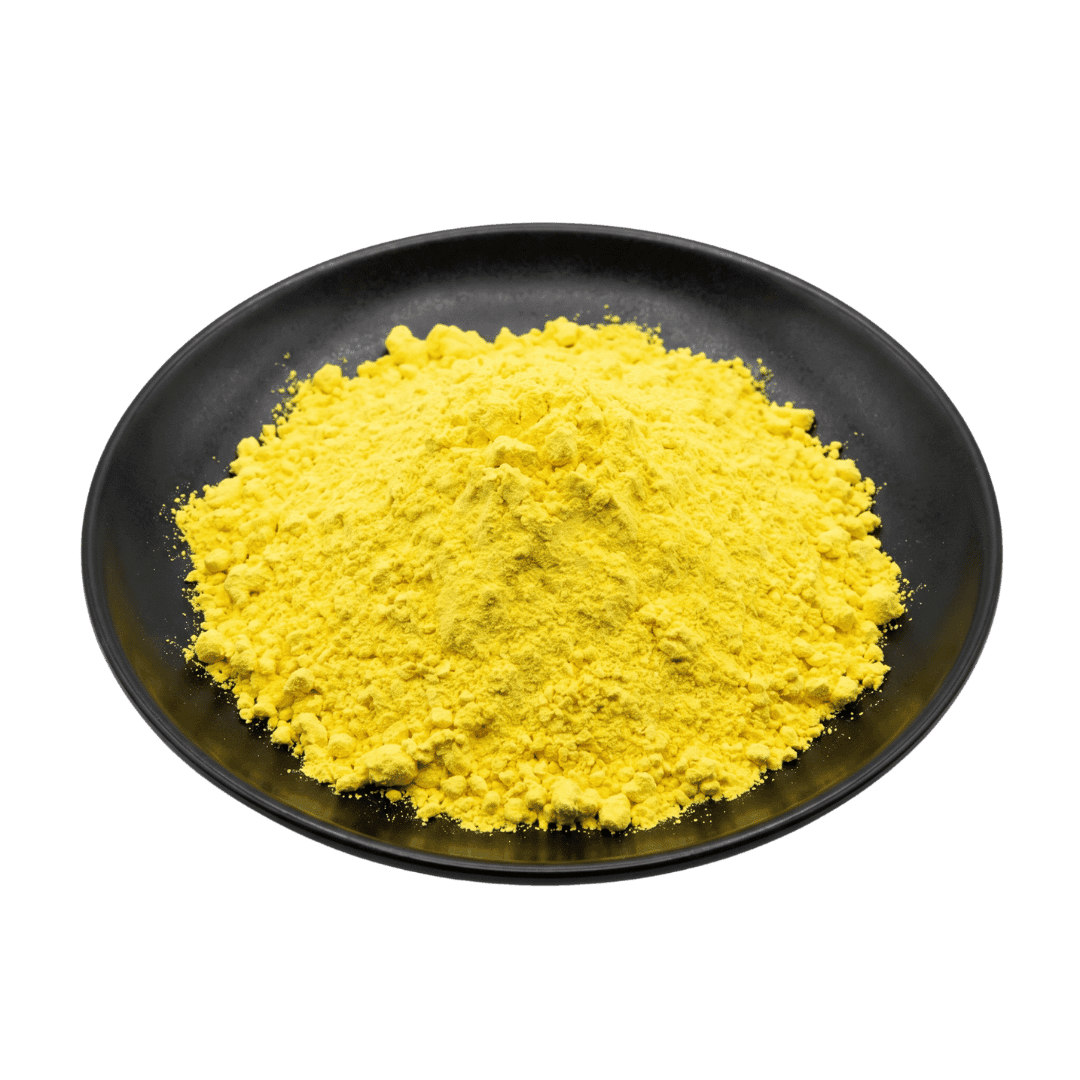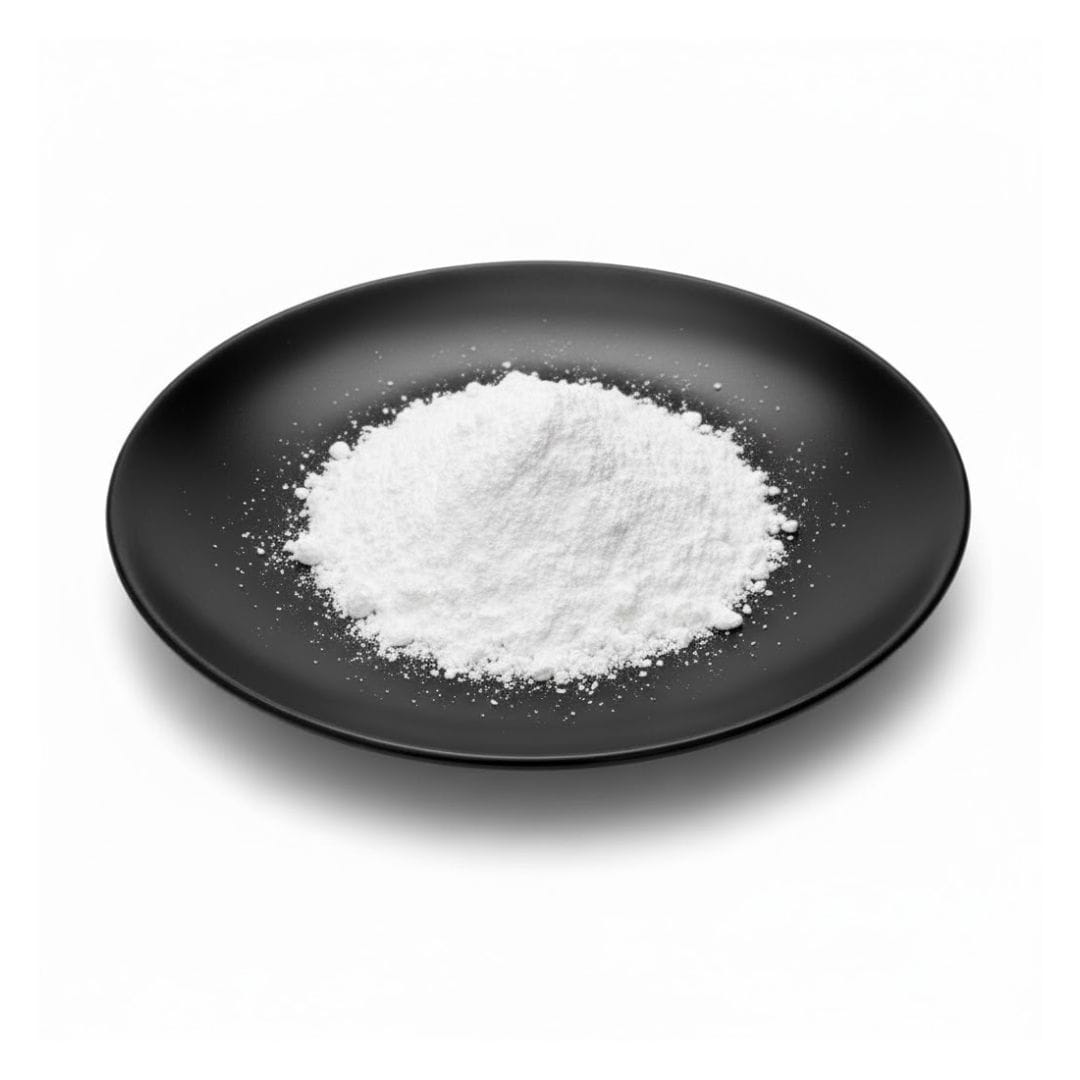
Product Introduction
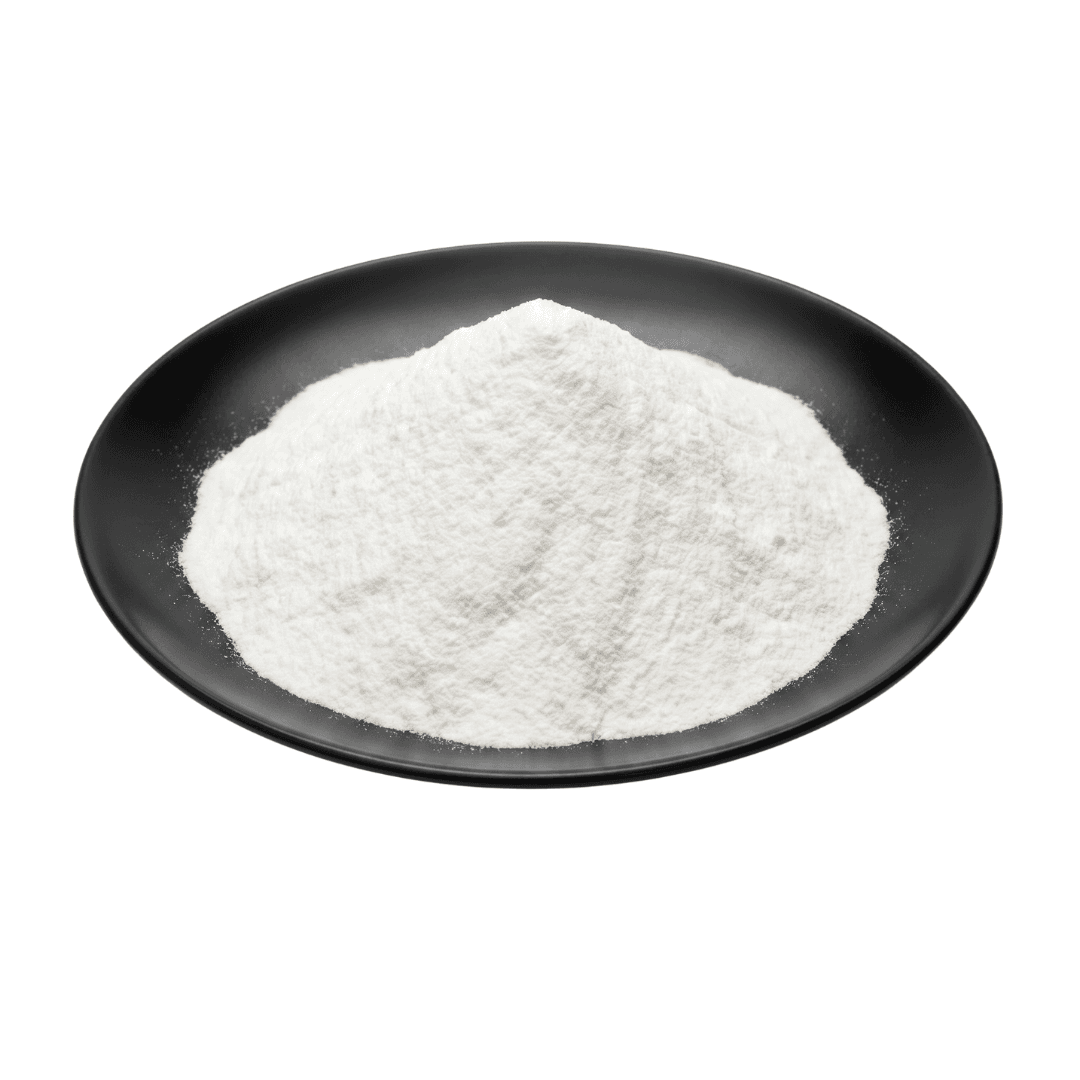
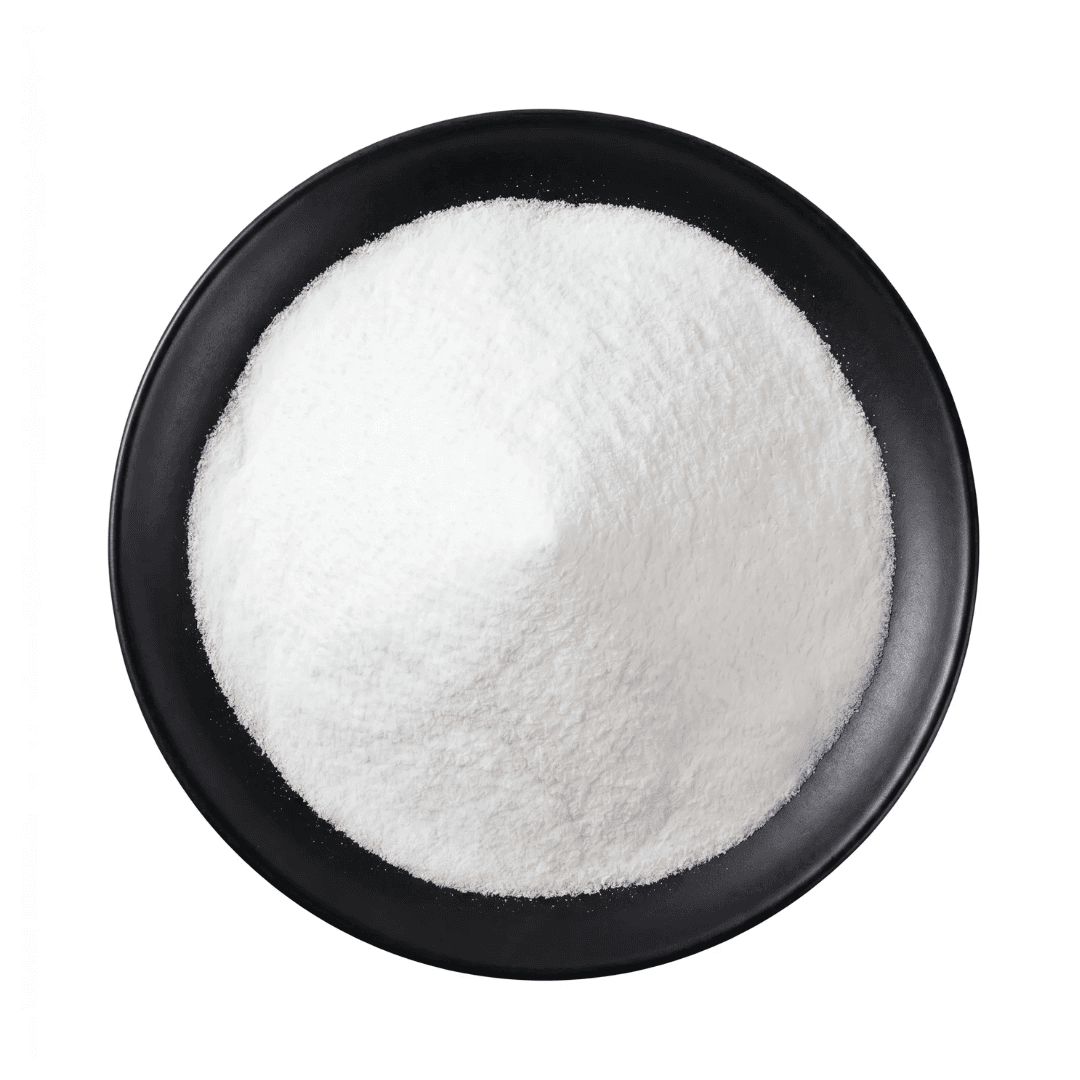
Acephate, also referred to as phosmet, was first developed in 1972 by Dr. J.M. Grayson of the United States. This organophosphate insecticide stands out for its high efficiency, low toxicity, and broad-spectrum activity. Once applied, it is readily absorbed and systemically transported throughout the plant, offering comprehensive pest control through multiple modes: stomach poisoning, contact toxicity, fumigation, and ovicidal action. While its gastric toxicity is particularly strong against lepidopteran pests, its contact action—especially against aphids and mites—tends to be slower, typically taking 2–3 days after application to become fully active.
The degradation period is moderate, with a half-life of just three days in soil, making it an environmentally considerate choice for sustainable agriculture. Acephate exerts its insecticidal effect by inhibiting cholinesterase, an essential enzyme in the nervous system of insects. The prodrug form of Acephate can remain stable on plant foliage for 10–15 days, ensuring prolonged protection. It demonstrates exceptional efficacy against the key pests affecting rice, wheat, cotton, corn, vegetables, legumes, fruit trees, sugarcane, tobacco, pasture, tea, and various other crops.
Its targeted pest spectrum includes rice fly, leafhoppers, thrips, rice stem borers, cotton weevils, cotton bollworms, fruit tree borers, cabbage aphids, diamondback moths, silver leaf nightshade, and a wide array of aphids and stink bugs. When used in combination with carbaryl or other compatible pesticides, it exhibits synergistic effects, enhancing both the potency and the duration of pest control.
Product Function
Acephate is a systemic insecticide delivering stomach poison and contact action, with ovicidal properties and limited fumigant effects. As a slower-acting insecticide, it shows delayed initial impact post-application, with peak efficacy emerging 2–3 days later and strong residual effects. It is well suited for use on crops including vegetables, tea, tobacco, fruit trees, cotton, rice, wheat, and oilseed rape, effectively managing a broad range of chewing and piercing-sucking insects, as well as pest mites.
Product Application
This broad-spectrum, high-efficiency, low-toxicity, low-residue organophosphate insecticide offers stomach poisoning, contact toxicity, systemic uptake, and moderate fumigation activity. It is suitable for protecting vegetables, rice, cotton, wheat, fruit trees, oilseed rape, and tobacco. It effectively controls vegetable pests, rice leaf borers, thrips, leafhoppers, planthoppers, stem borers, and associated crop damage such as deadhearts and whiteheads. It also manages fruit tree borers, aphids, cotton bollworms, aphids, and mites like the cotton red spider. For aphids, moth larvae, and other pests on cruciferous plants, apply 40% emulsifiable concentrate at 800–1200-fold dilution. For cotton pests, use 18.8–26 mL of 40% EC per 100 m² with water spray. To manage rice leaf borers, thrips, leafhoppers, and rice flies, apply 19–30 mL of 40% EC per 100 m², diluted 500–800 times.
Acephate shows strong control against a wide variety of rice pests (such as ticks, leafhoppers, thrips, and moth larvae), cotton aphids and bollworms, fruit tree pests (pear and peach borers), and vegetable pests (cabbage moths, aphids, wheat aphids, stink bugs). Recommended active ingredient concentration: 0.05–0.1%, with an application rate of 50–70 grams per mu.
Offers excellent preventive protection against major pests in grain, oil, fruit, and vegetable crops, including whiteflies, leafhoppers, rice hoppers, cabbage moths, aphids, and cotton red spider mites.
A broad-spectrum organophosphorus insecticide with proven efficacy against primary pests of rice, wheat, cotton, vegetables, and other major crops.
Delivers strong pest control on vegetables, corn, cotton, rice, soybeans, and fruit crops, especially against aphids, mites, leafhoppers, cabbage aphids, stink bugs, and cotton bollworms.
Primarily employed for effective management of cotton bollworms, cotton aphids, and related pest infestations.
Delivery & Packaging
Standard packaging includes powder formulations in foil pouches (1 kg per bag) and export-grade drums (25 kg per drum). Extract Makers also offers full customization upon request to match specific requirements.
For shipping, delivery options include courier services, sea freight, and air transport to suit regional and logistical needs.
For inquiries about Acephate, please reach out via email: [email protected]