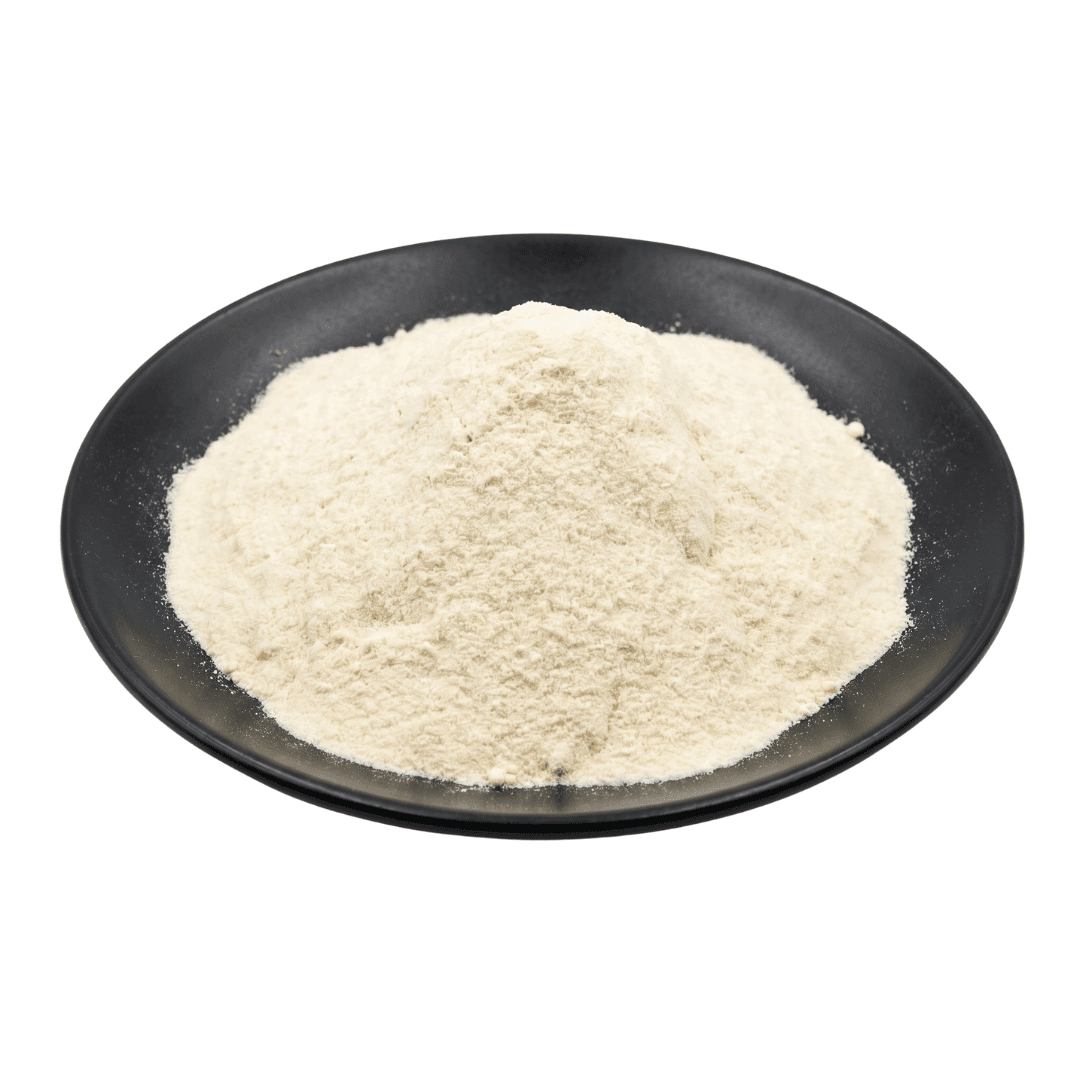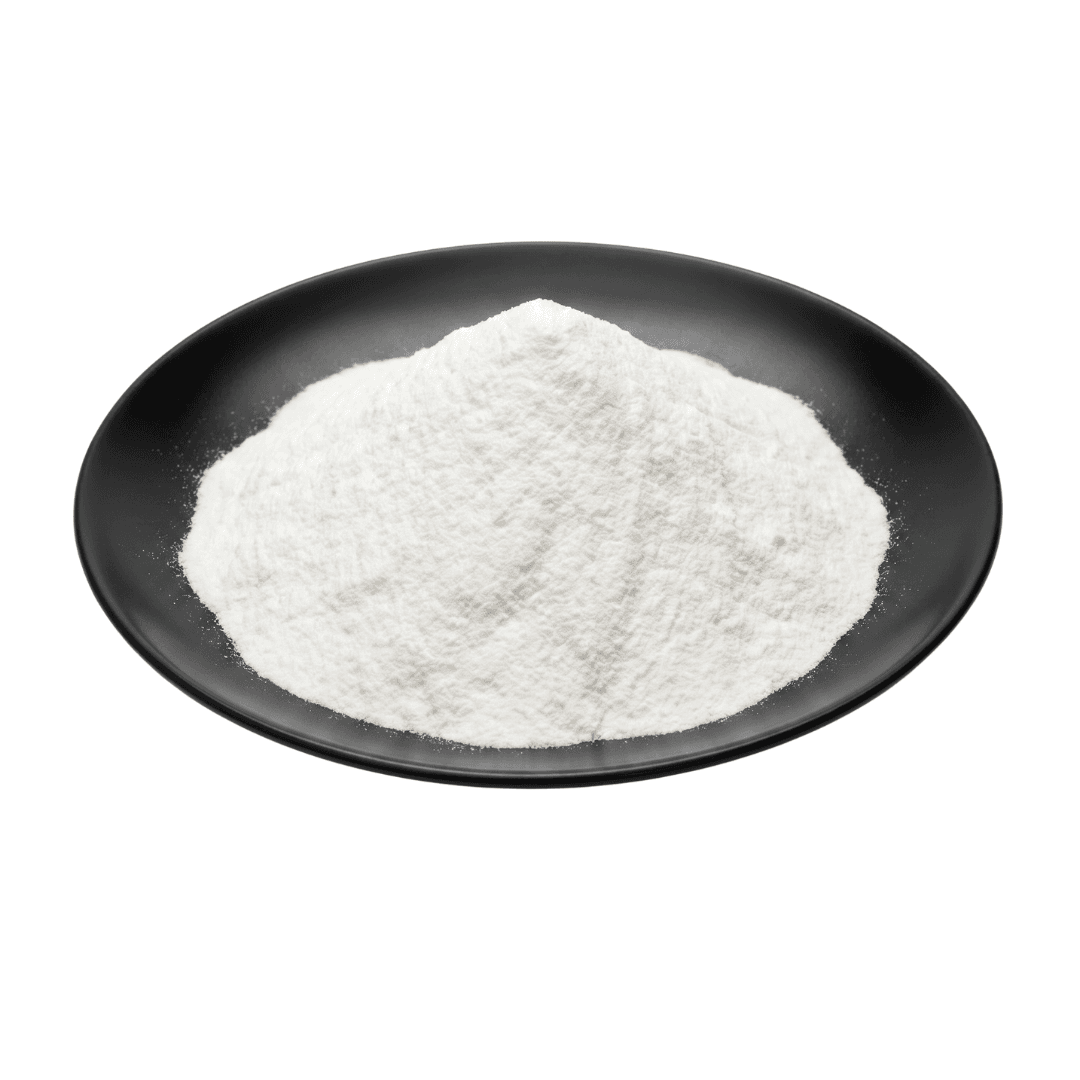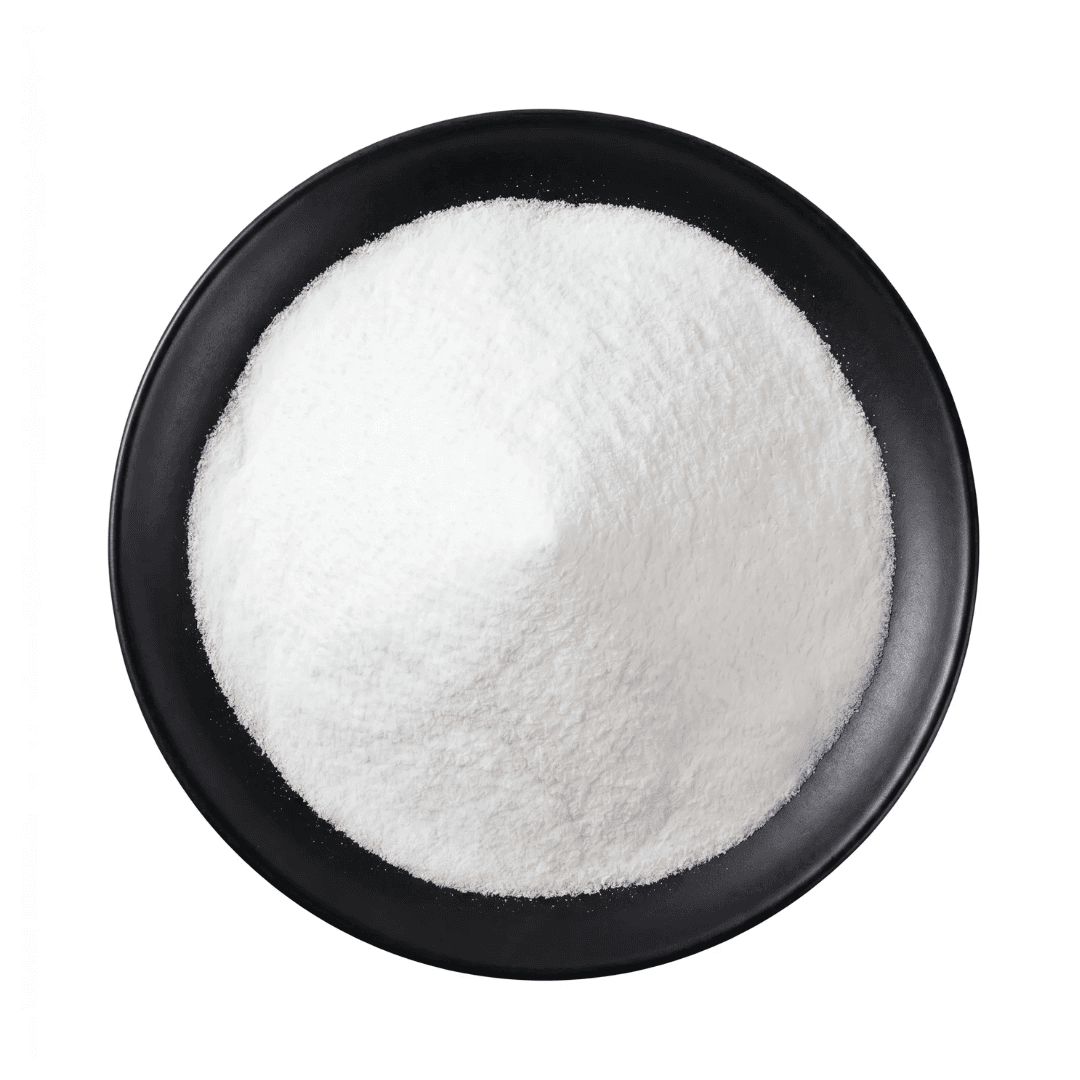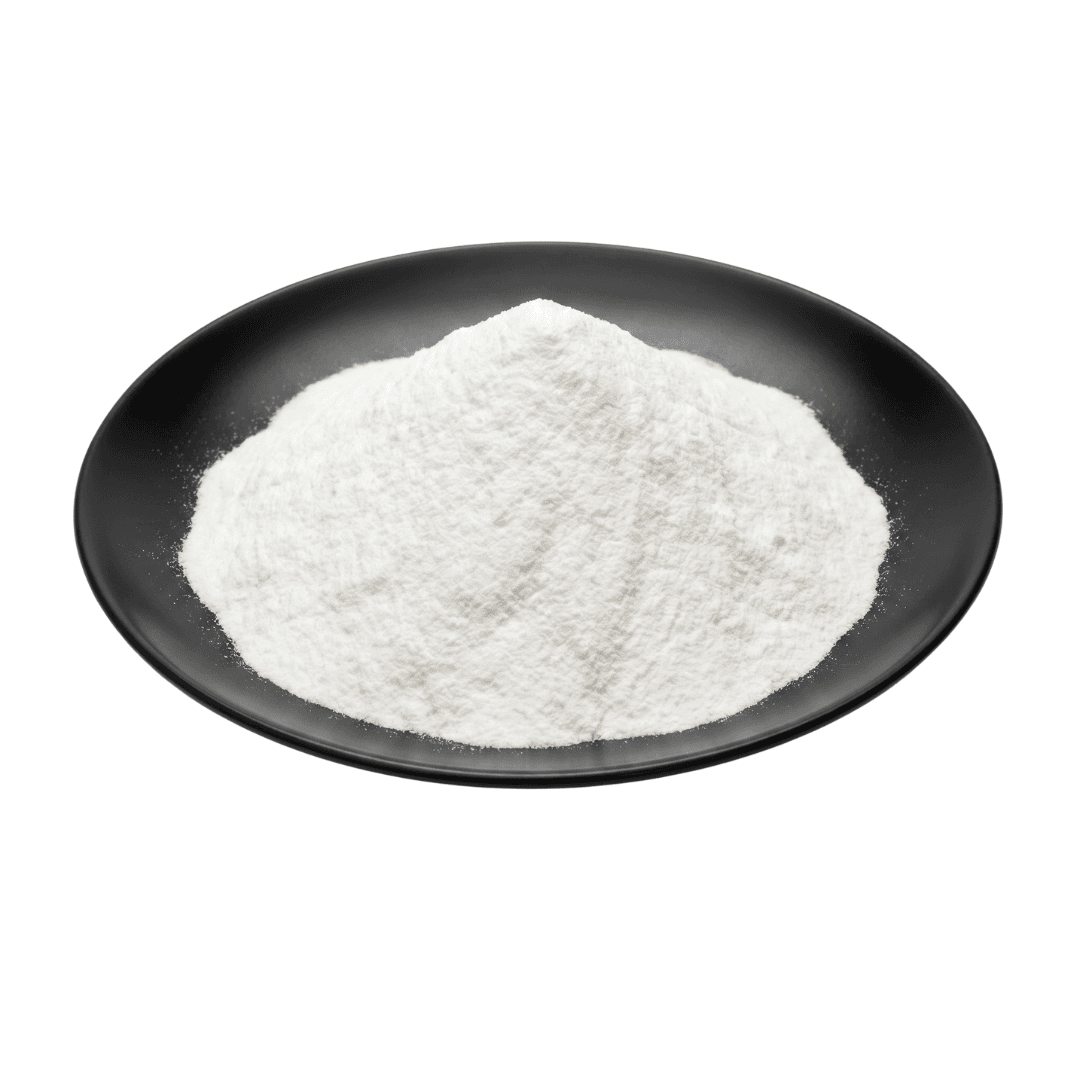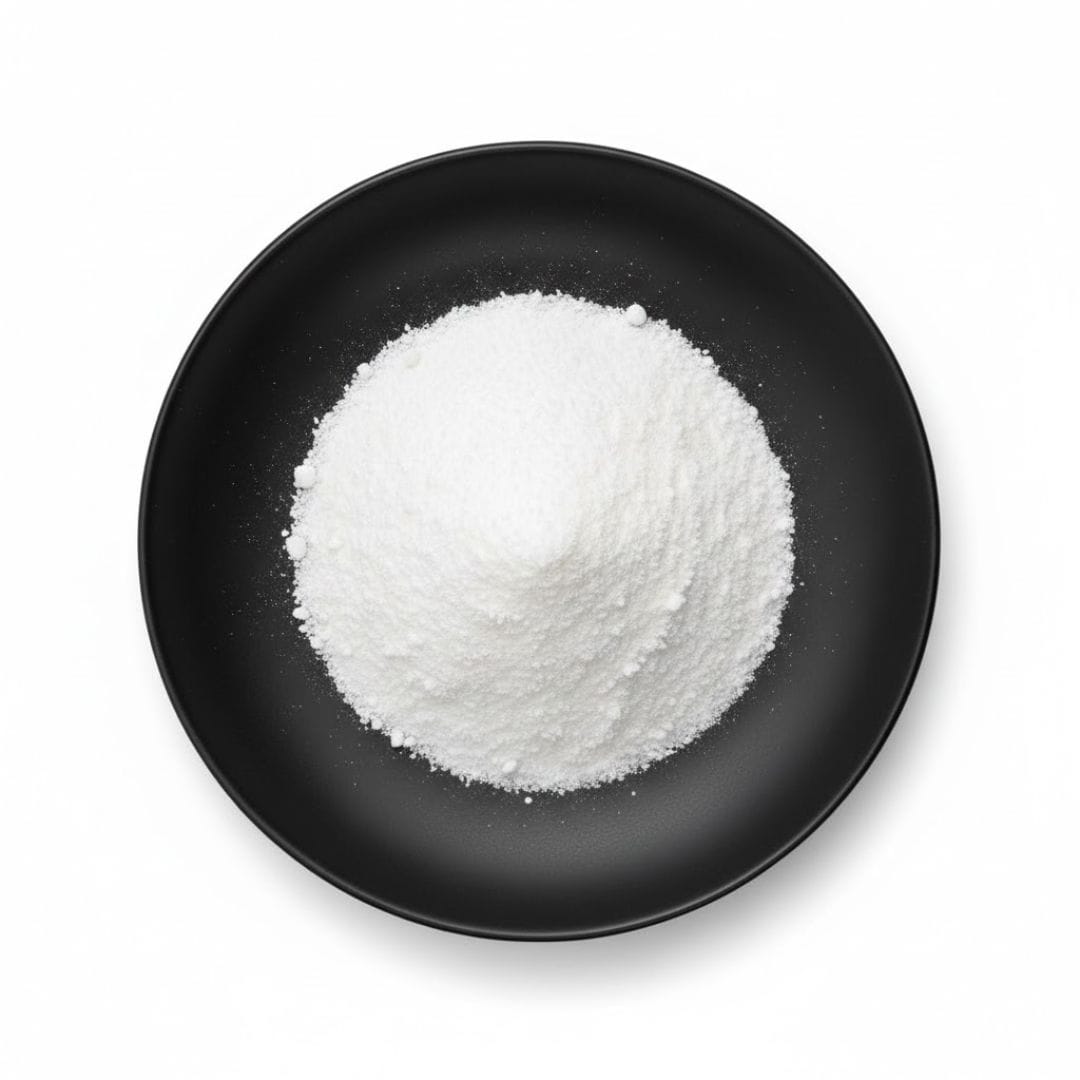
Introduction of Amikacin Powder
Amikacin powder, chemically known as ο-3-Amino-3-deoxy-α-D-glucopyranosyl-(1→6)-ο-[6-amino-6-deoxy-D-glucopyranosyl-(1→4)]-N’-(4-amino-2-hydroxy-1-oxobutyl)-2-deoxy-D-streptomycin, has a minimum potency of 910 amikacin units per mg of dried substance. The melting point ranges between 203–204°C (as sesquihydrate). The powder is virtually odorless and tasteless.
Its antibacterial mechanism involves binding to bacterial ribosomes, disrupting protein synthesis, and compromising cell wall integrity. This leads to membrane damage and ultimately bacterial cell death. Amikacin is effective against infections caused by gram-negative bacilli and penicillin-resistant Staphylococcus aureus.
Synonym
Amikacin base; Amikacin; Amikacin dihydrate; Amino hydroxybutyl kanamycin A; Antibiotic BBK8; Amikacin solution (1000UG/mL in methanol).
Product Specification
| Product Name: | Amikacin powder | CAS NO.: | 37517-28-5 |
| Molecular weight: | 585.6 | EINECS: | 253-538-5 |
| Formula: | C22H43N5O13 | Density: | 1.3764 (rough estimate) |
Function
Amikacin exerts its antibacterial effects by targeting bacterial ribosomes, inhibiting protein synthesis, and disrupting cell wall integrity—resulting in membrane damage and cell death. It is primarily used for infections caused by gram-negative bacilli and penicillin-resistant Staphylococcus aureus.
For intramuscular or intravenous administration, the half-life of intravenously infused Amikacin is ~2 hours, extending to 30 hours in anuric patients. Protein binding is minimal. The drug predominantly causes cochlear nerve toxicity, with ototoxicity and nephrotoxicity comparable to gentamicin. Amikacin’s antibacterial action stems from its binding to the bacterial 30S ribosomal subunit, blocking protein synthesis.
Application
Amikacin is primarily indicated for infections caused by gram-negative bacteria resistant to gentamicin and kanamycin, including Escherichia coli, Proteus, and Pseudomonas aeruginosa.
Common Adverse Reactions
- Ototoxicity: Primarily affects the cochlear nerve, initially causing high-frequency hearing loss, followed by progressive deafness, tinnitus, and ear fullness.
- Nephrotoxicity: Damages proximal renal tubules, potentially manifesting as proteinuria, tubularuria, hematuria, fluctuating urine output, azotemia, impaired kidney function, and increased potassium excretion.
- Neuromuscular Blockade: Amikacin inhibits acetylcholine and interacts with calcium ions (similar to curare), risking myocardial depression, respiratory failure—especially in patients with preexisting myasthenia or those given muscle relaxants.
- Allergic Reactions: Rare but may include anaphylaxis, rash, urticaria, drug fever, and other hypersensitivity responses.
- Others: Long-term use may disturb normal microflora, leading to overgrowth of resistant bacteria.
FAQ
- Can I request a free sample?
Yes, we provide free Amikacin powder samples. Shipping costs are borne by the client. - What are the payment methods and terms?
Payments may be made via wire transfer (T/T), credit card, Western Union, PayPal, and other secure options. - How does your facility ensure product quality?
With over a decade of experience, we enforce a rigorous quality control process. All batches undergo final verification before dispatch to minimize defects. - Do you handle OEM requests?
Yes, we support OEM orders. Share your requirements, and we’ll provide competitive pricing and rapid sample production. - How can I contact you?
Reach out by email, Skype, WhatsApp, or phone—our contacts are listed on our website.
For API materials or further information, feel free to contact us at:
[email protected]