Description
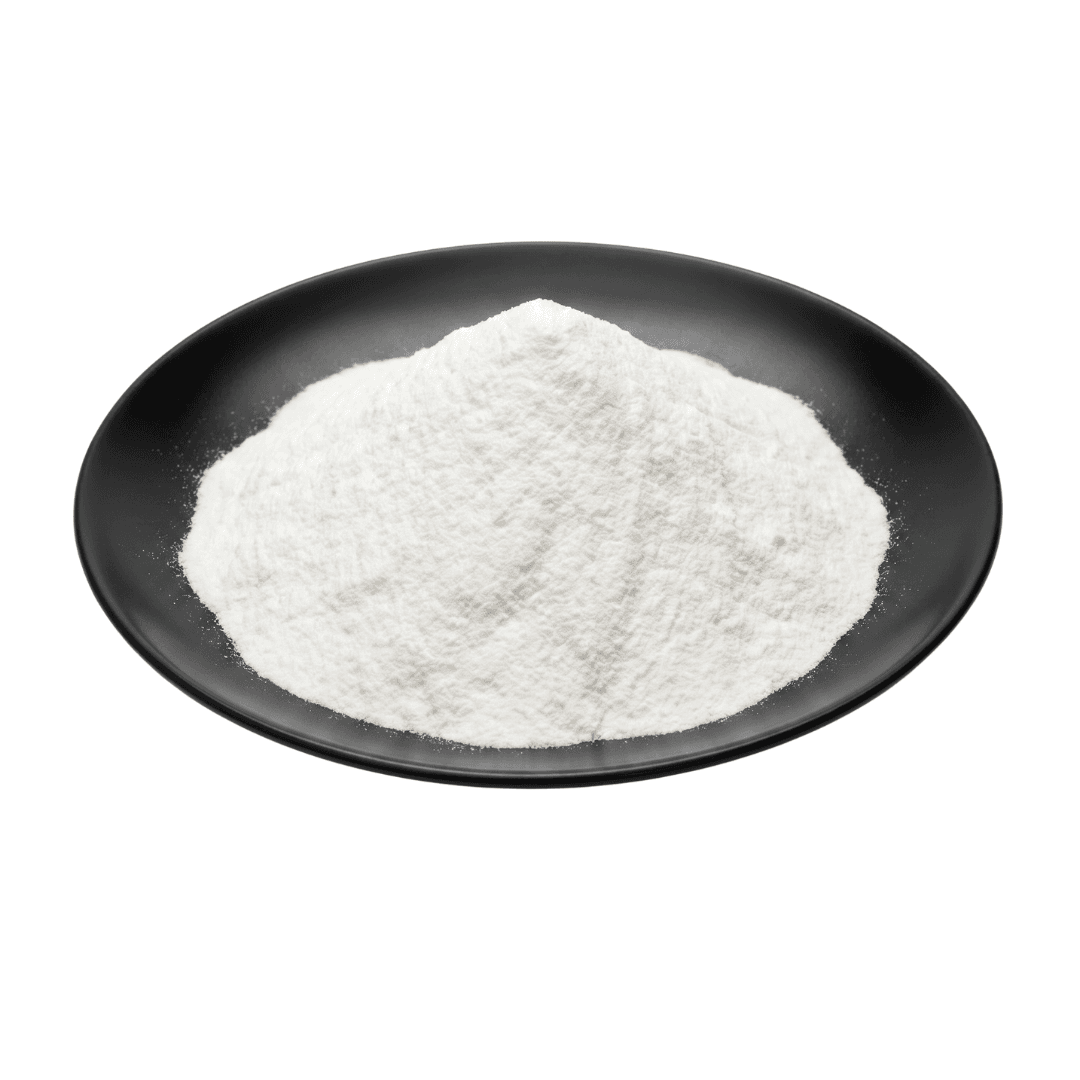
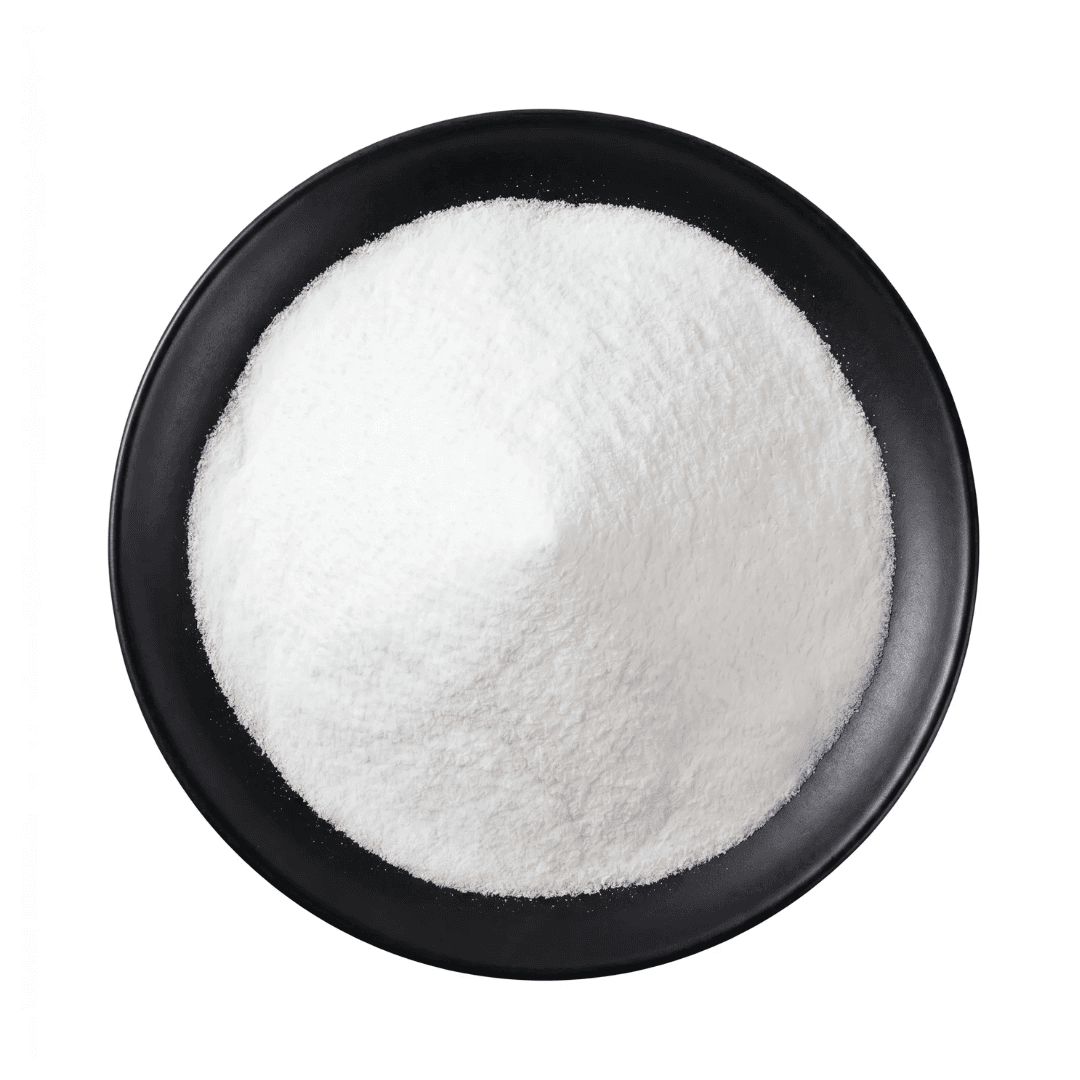
What Is Emodin Powder?
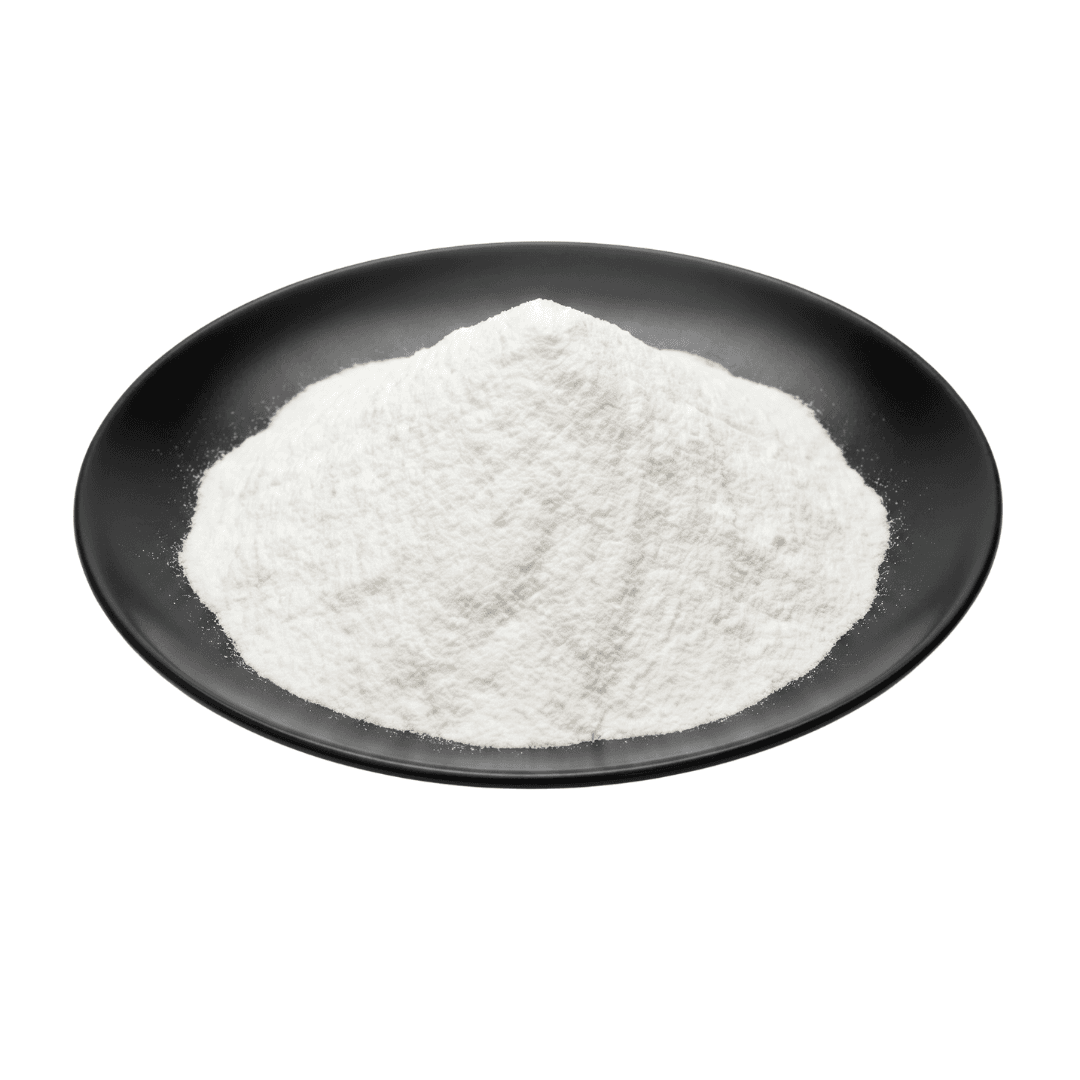
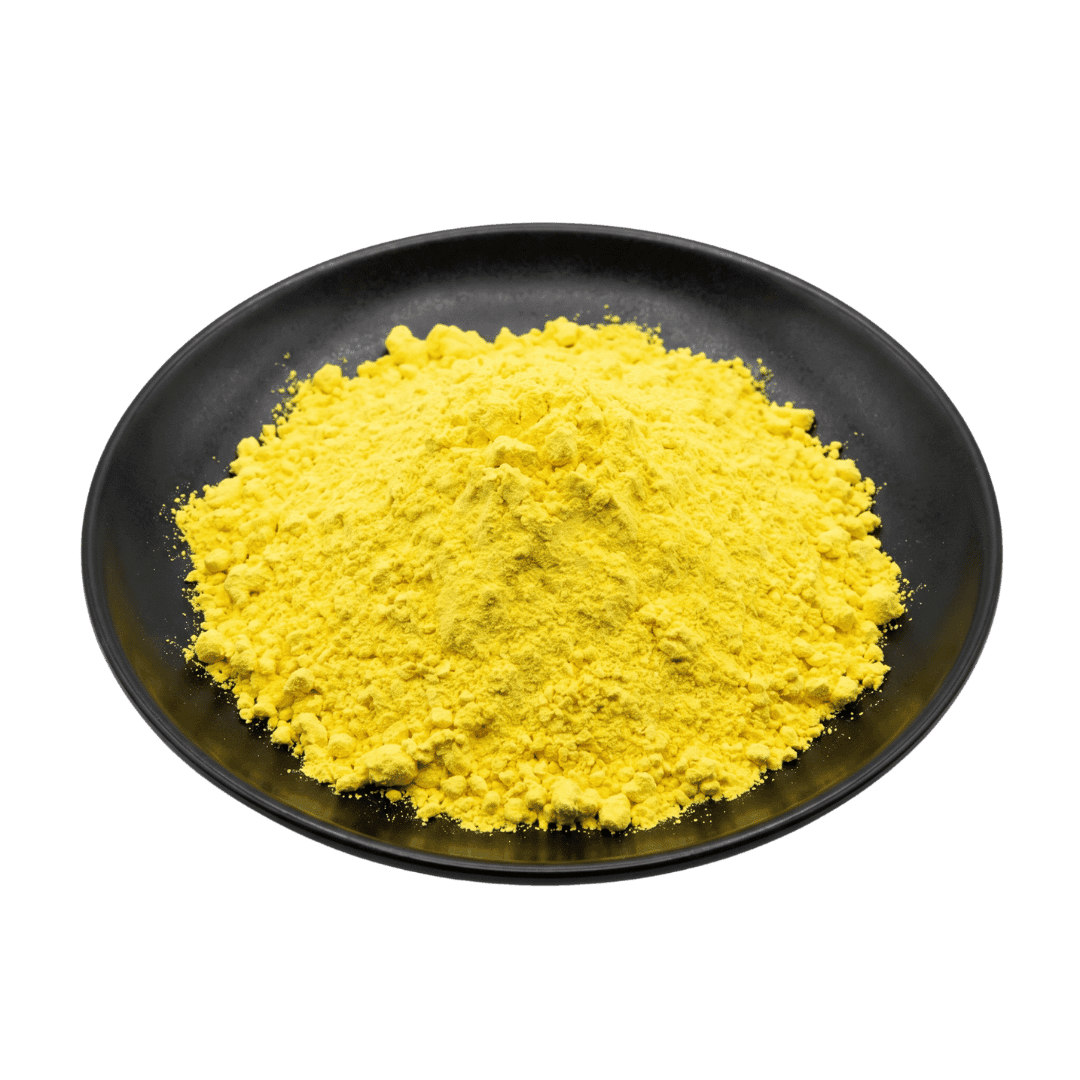
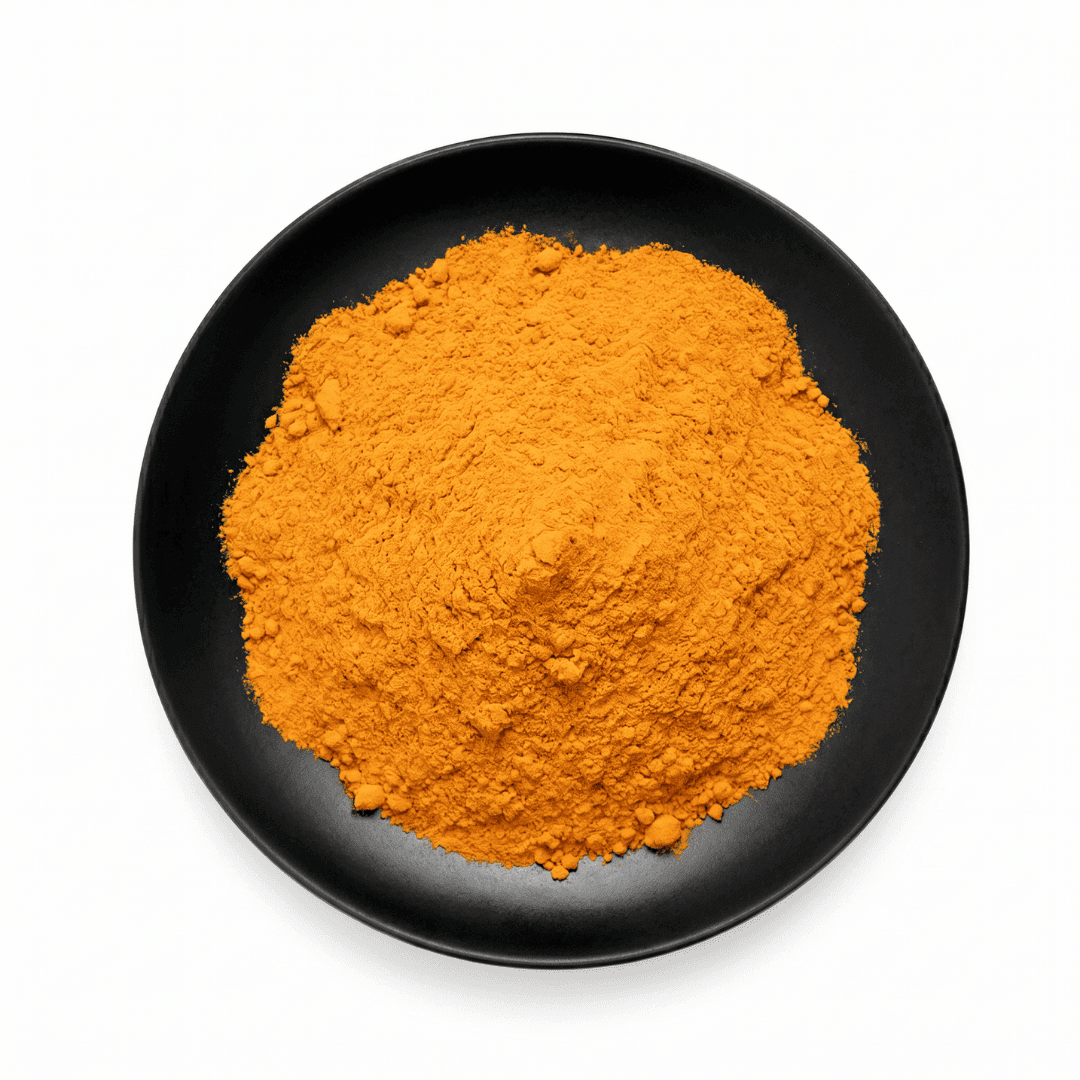
Emodin is an organic compound with the chemical formula C15H10O5. It appears as an orange-yellow long needle crystal, appearing orange in acetone and yellow in methanol. Its melting point ranges from 256°C to 257°C. Emodin exhibits anthraquinone-specific reactions, is nearly insoluble in water, and dissolves in ethanol and alkaline solutions.
Found in traditional Chinese herbs like rhubarb and Polygonum cuspidatum, emodin is a naturally occurring substance with proven pharmacological properties, including anti-inflammatory, antiviral, and antitumor effects. It is primarily used for its applications in food preservation, anti-mutation, corrosion resistance, anticancer (especially chest-related), anti-ulcer, antiviral, laxative, gonadotropic, anti-epidemic, insecticidal, purgative, antispasmodic, and hemostatic properties.
Synonyms
C.I. 75440; C.I. Natural Yellow 14; Emodin; 1,3,8-Trihydroxy-6-methylanthraquinone; 6-Methyl-1,3,8-trihydroxyanthraquinone; emodin (from frangula bark).
Product Specifications
| Product Name: | Emodin Powder | CAS NO.: | 518-82-1 |
| Molecular weight: | 270.23 | EINECS: | 208-258-8 |
| Formula: | C15H10O5 | Melting point: | 255 °C (dec.)(lit.) |
| Density: | 1.3280 (rough estimate) | Boilting point: | 373.35°C (rough estimate) |
Functions & Benefits
Antitumor Properties
Emodin demonstrates inhibitory effects on multiple cancer types, including mouse sarcoma S-180, liver cancer, breast cancer, Ehrlich ascites carcinoma, lymphosarcoma, melanoma, Wackeroma, and A-549 lung cancer, achieving over 30% inhibition. At 50 mg/kg/day, it suppresses melanoma growth by 73%, and at 75 mg/kg/day, it inhibits breast cancer growth by 45%. Emodin also extends the survival of P388 leukemia mice by more than 40%. Its mechanisms include blocking DNA, RNA, and protein synthesis in tumor cells and inhibiting oxidative dehydrogenation.Antimicrobial & Germ-Repelling Action
Emodin shows activity against Staphylococcus aureus 209P, streptococci, Diphtheria bacillus, Bacillus subtilis, Paratyphoid bacillus, Dysentery bacillus, Escherichia coli, Influenza bacillus, pneumococcus, and Catarlococcus. It strongly inhibits major clinically relevant anaerobic bacteria—its MIC value is slightly above that of metronidazole, effectively suppressing 76–91% of strains at 8μg/mL. Its antibacterial mechanism disrupts mitochondrial electron transport and the oxidative dehydrogenation of amino acids, sugars, and proteins, ultimately blocking nucleic acid and protein synthesis, halting bacterial proliferation.Immunosuppressive Activity
When administered intraperitoneally at 70 mg/kg, emodin reduces antibody production, weakens carbon particle elimination, lowers immune organ weight, decreases white blood cell count, and diminishes macrophage phagocytic function. In vitro, 10 mg/mL emodin significantly inhibits lymphocyte response to [3H]-tdr and [3H]-urd.Antispasmodic & Antitussive Effects
Emodin inhibits acetylcholine-induced spasms in isolated rat intestines—approximately four times more potent than papaverine. It also exhibits marked cough suppressive activity.Cardiovascular Effects
Emodin stimulates isolated toad hearts at low doses but exerts inhibition at higher concentrations. It also contributes to blood pressure reduction.Diuretic Action
Emodin elevates urinary sodium and potassium levels, promotes ureteral peristalsis, and increases urine volume.Histamine-Modulating Effect
In rat models of intestinal obstruction, emodin at 10μg/kg normalized intestinal mucosal histamine levels without impacting blood histamine.LTB4 Synthesis Inhibition
Emodin acts as a 5-lipoxygenase inhibitor, blocking LTB4 synthesis in human polymorphonuclear leukocytes and whole blood while showing no effects on PGE2 production.Mild Laxative Activity
Emodin interferes with intestinal sodium and potassium transport, promoting water retention in the gut, stimulating colonic motility, and inducing laxative action—though weaker in unbound form. Its efficacy improves when conjugated with sugars as glucosides.
Applications
Emodin functions as a mild laxative. Though cathartic activity exists, its systemic oxidation deactivates much of the effect. Conjugation into glycosides—such as emodin-1-O-β-D-glucoside and emodin-8-O-β-D-glucoside, found naturally in rhubarb—enhances purgative potential. Additionally, emodin applies to antibacterial, antitussive, antitumor, and blood pressure-lowering formulations.
Packaging & Delivery
Standard packaging is 25kg per drum. Orders over 50kg may ship by air, and shipments exceeding 100kg are available by sea.
| Cargo weight | Packing | Shipping method | Lead-time |
| 5-50kg | Below 5kg Use Foil bag;5-25kg use two layer PP bag,then into master carton or cardboard drum | International express | 7-10days |
| 100-200kg | 25kg/drum,use two layer PP bag,then into cardboard drum | Air shipping | 7-10days |
| Over 500kg | 25kg/drum,use two layer PP bag,then into cardboard drum | Sea shipping | 20-45days |
Frequently Asked Questions
Can I receive a free sample?
Yes, Extract Makers provide samples of Emodin Powder at no cost, but the recipient covers shipping.What are the payment methods and terms?
Available payment options include T/T, Credit Card, Western Union, PayPal, and others.How does Extract Makers ensure product quality?
With over 10 years of expertise, we maintain a rigorous quality control process. A final inspection is performed prior to shipping to prevent issues.Do you offer OEM services?
Yes, we accept OEM requests. Contact us with your requirements, and we will propose competitive pricing and develop samples promptly.How can I contact Extract Makers?
Reach out via email, Skype, WhatsApp, or phone—all contact details are visible on our website.
For inquiries about active pharmaceutical ingredients (APIs) or to request additional information, please contact us via email: [email protected] [[email protected]]