Product Introduction
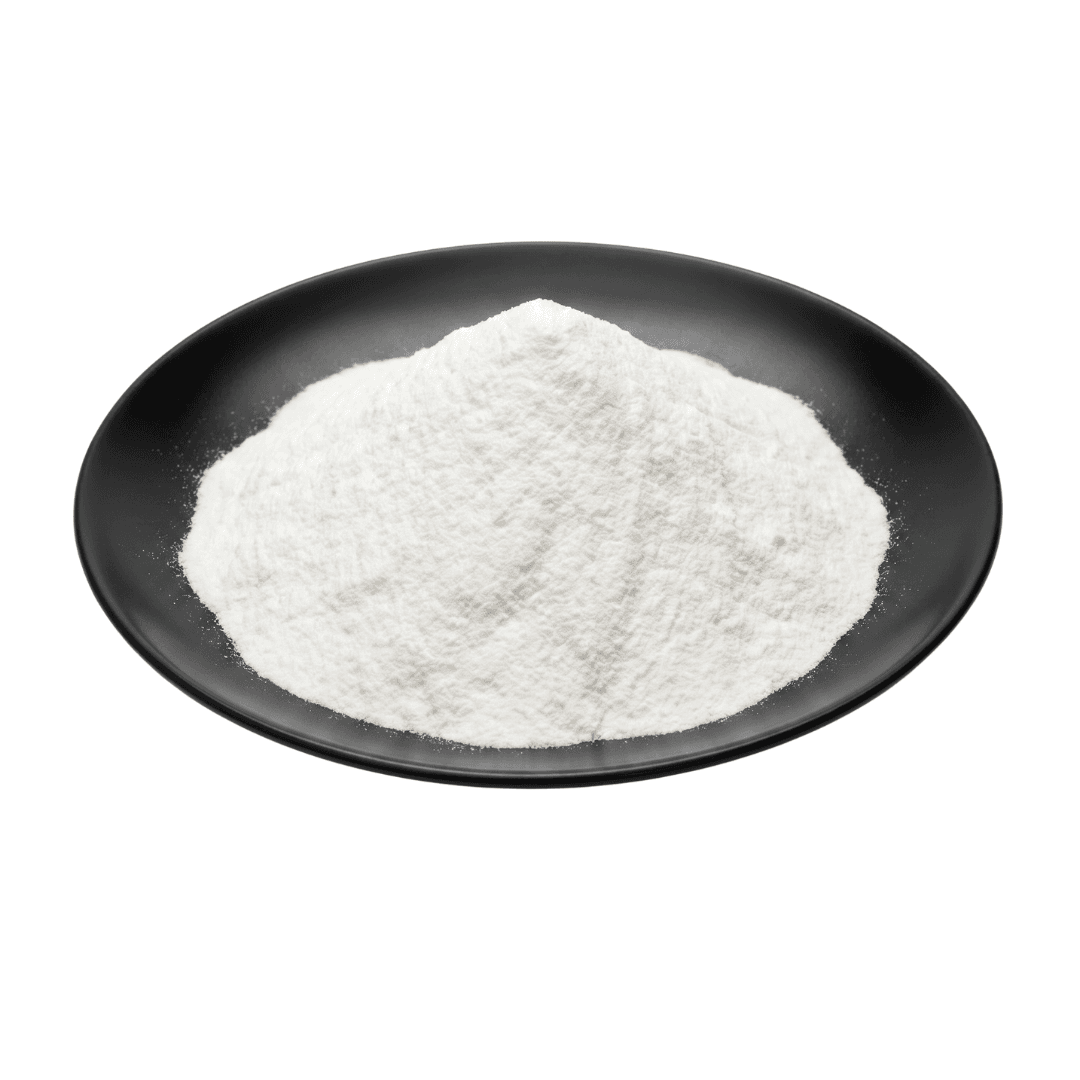
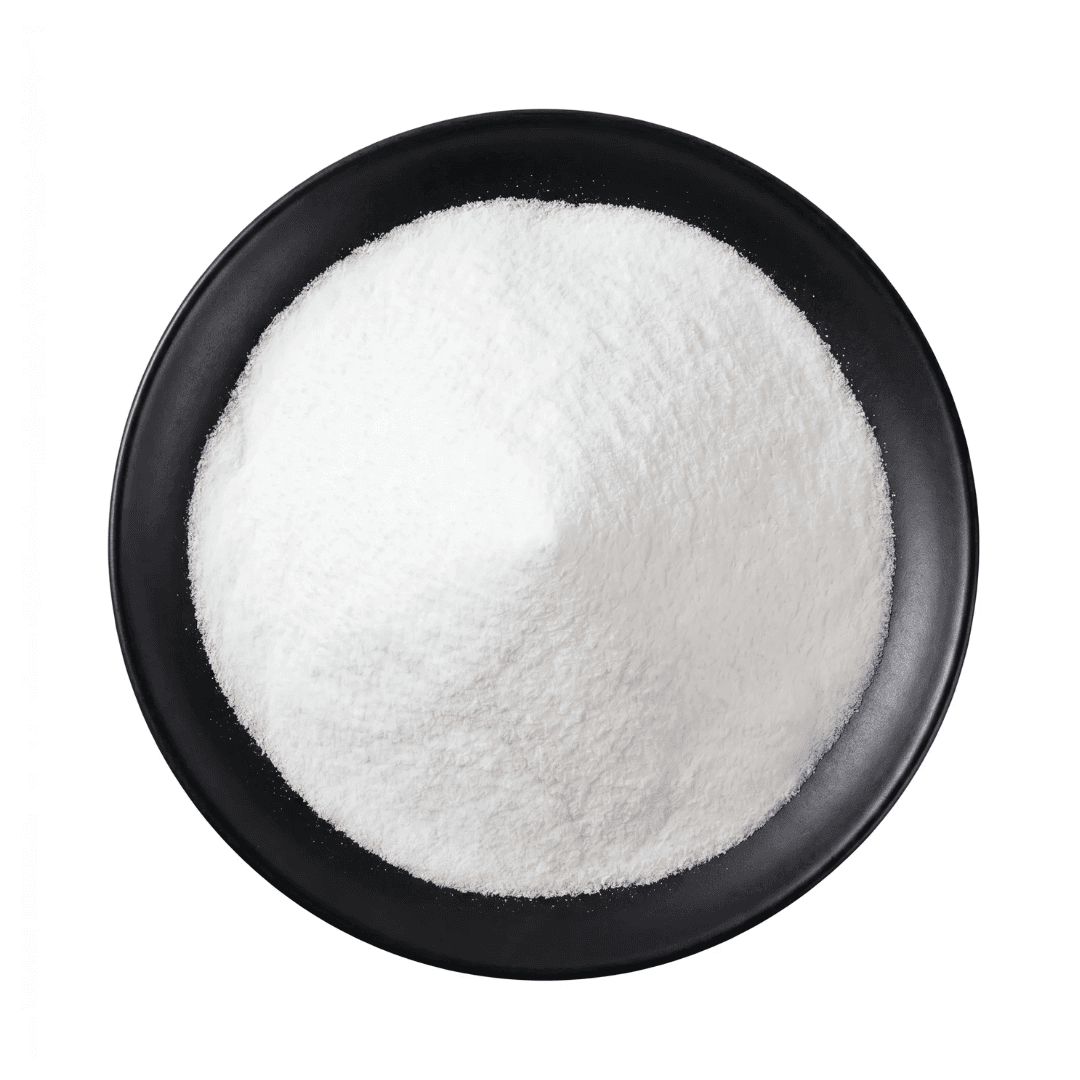
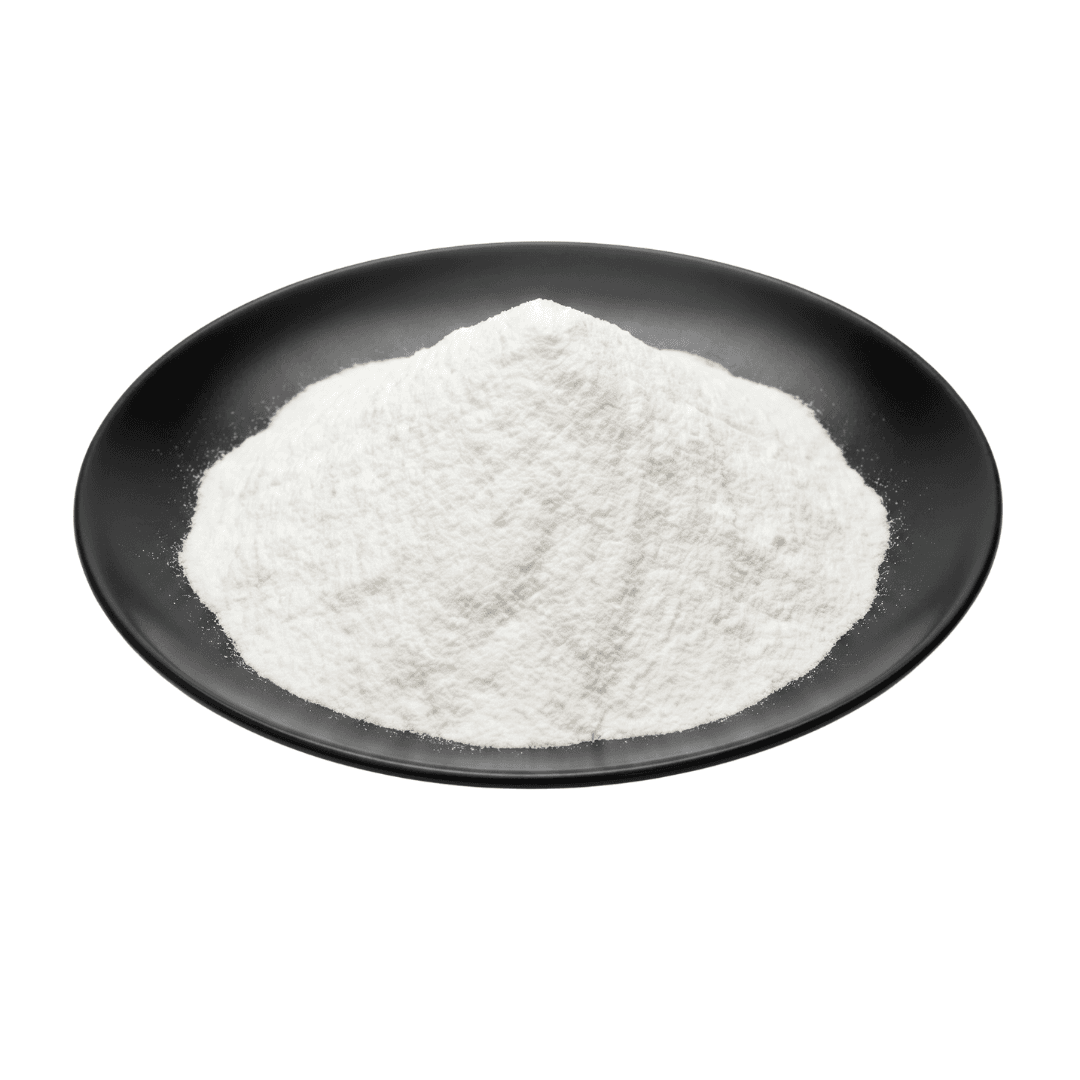
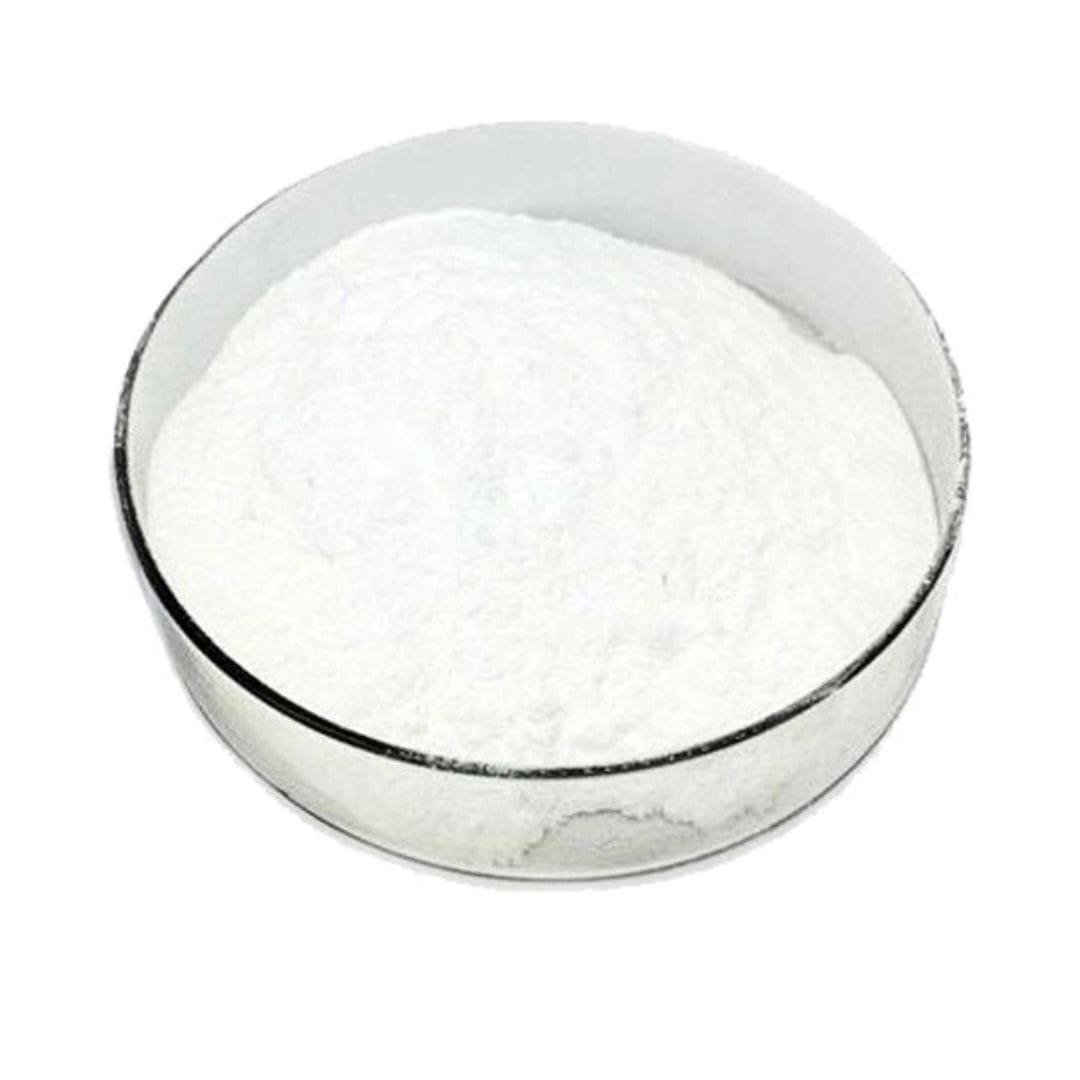
2-Phenylacetamide is an organic compound with the molecular formula C₈H₉ON. It appears as a white flaky crystalline substance. This compound is soluble in hot water and ethanol, exhibits slight solubility in cold water, diethyl ether, and benzene, and is widely utilized in pharmaceutical and chemical synthesis. 2-Phenylacetamide serves as a key intermediate in the production of Penicillin G, Phenobarbital, and other active pharmaceutical ingredients. In organic synthesis, it acts both as a critical building block and a foundational component for the creation of central nervous system depressants such as phenobarbital.
Product Function
2-Phenylacetamide functions primarily as an intermediate in pharmaceutical, agrochemical, fragrance, and organic synthetic applications. Within the pharmaceutical sector, it plays a vital role as a precursor in manufacturing Penicillin G and forms the synthetic backbone for the tranquilizer phenobarbital. It is also employed as an intermediate in other therapeutic agents and is integral in producing phenylacetic acid—used in fragrances—as well as in rodenticidal formulations and pesticide manufacture.
Pharmacology and Applications
In industrial pharma synthesis, 2-Phenylacetamide is essential as a reaction medium for Penicillin G and as a starting material in the synthesis of phenobarbital, a well-known barbiturate used for its sedative and anticonvulsant properties. Its structural relevance makes it indispensable in manufacturing psychoactive ingredients and antibiotic derivatives.
Production Method
One industrial method involves reacting styrene, sulfur, liquid ammonia, and water in an autoclave at 165°C under approximately 6.5 MPa pressure. After heating and evaporation to remove hydrogen sulfide gas, activated carbon is added for decolorization, followed by cooling, crystallization, filtration, and drying to yield phenylacetamide. This process can be adapted for continuous pipeline production by feeding styrene and ammonium polysulfide in a 1:2 volume ratio through a high-pressure system at 200°C, 6–7.8 MPa, and a residence time of 1.5 hours. Post-processing steps mirror those of the batch method.
Raw material consumption per ton of product:
- Styrene (99%): 1117 kg
- Sulfur (98.5%): 716 kg
- Liquid ammonia (99%): 539 kg
- Activated carbon: 47 kg
An alternative synthesis route involves hydrolyzing phenylacetonitrile (produced via reaction of benzyl chloride with sodium cyanide in aqueous dimethylamine) under heated acidic conditions. Phenylacetonitrile is mixed into concentrated hydrochloric acid with stirring and maintained at 50°C for 30 minutes. Water is then slowly added under cooled conditions to induce crystallization. After cooling and filtration, the crude product is washed with ice water, treated with sodium carbonate solution to remove acidity, and again rinsed with cold water. Purified 2-Phenylacetamide is obtained upon drying.
Raw material consumption per ton:
- Benzyl chloride (95%): 1190 kg
- Sodium cyanide (95%): 527 kg
- Dimethylamine (industrial): 20 kg
- Sodium carbonate (industrial): 185 kg
- Sulfuric acid (92.5%): 1760 kg
Delivery & Packaging
Standard packaging includes aluminum foil bags containing 1 kg of powder or export-grade drums with 25 kg net weight per unit. Extract Makers also offers fully customizable packaging and container solutions tailored to your specifications upon enquiry.
For shipping, we offer multiple delivery options, including express courier, sea freight, and air transport, ensuring prompt and secure global distribution.
For additional illustrative details, please refer to the images provided below.
If you have any enquiries or require further information about 2-Phenylacetamide, please reach out to us at: [email protected]