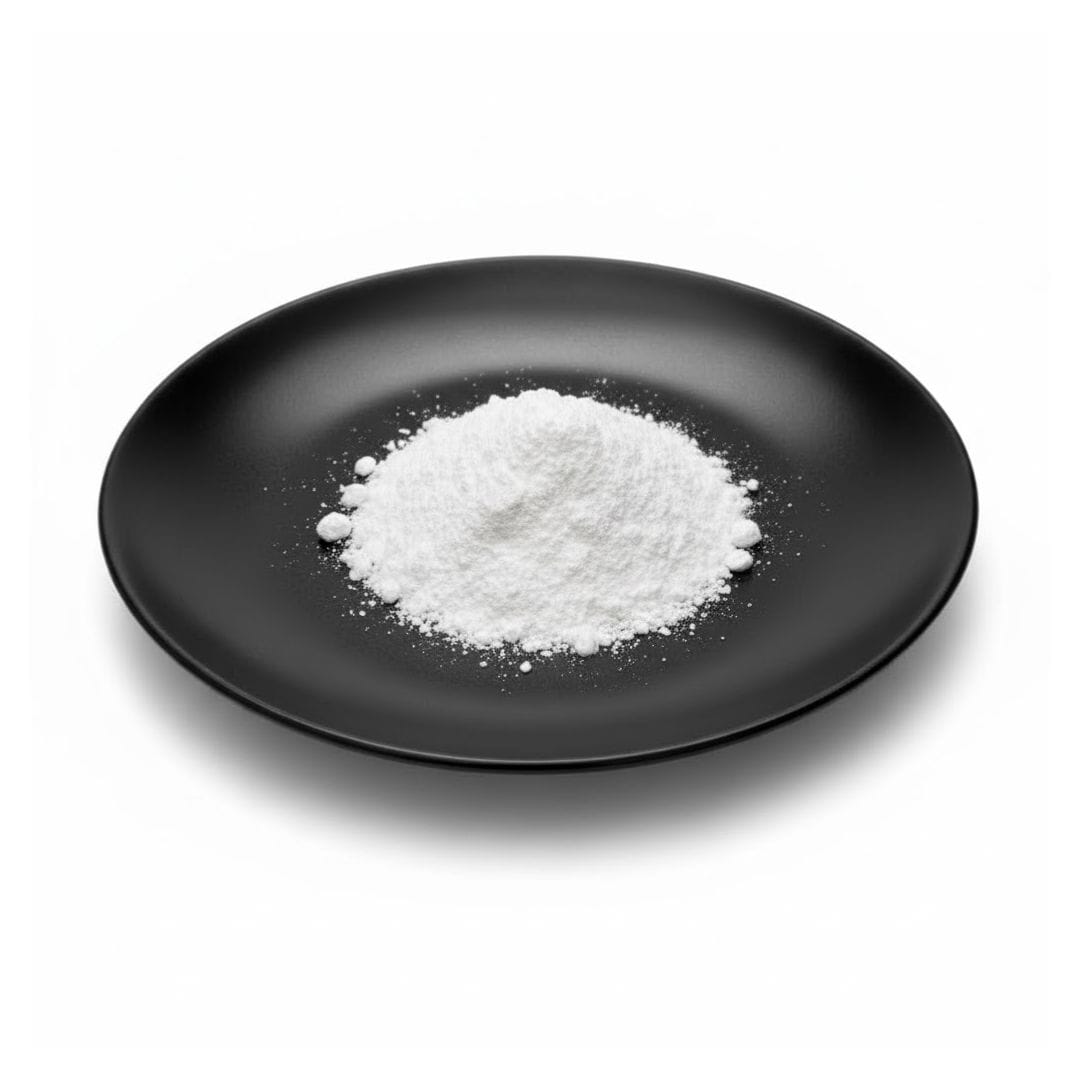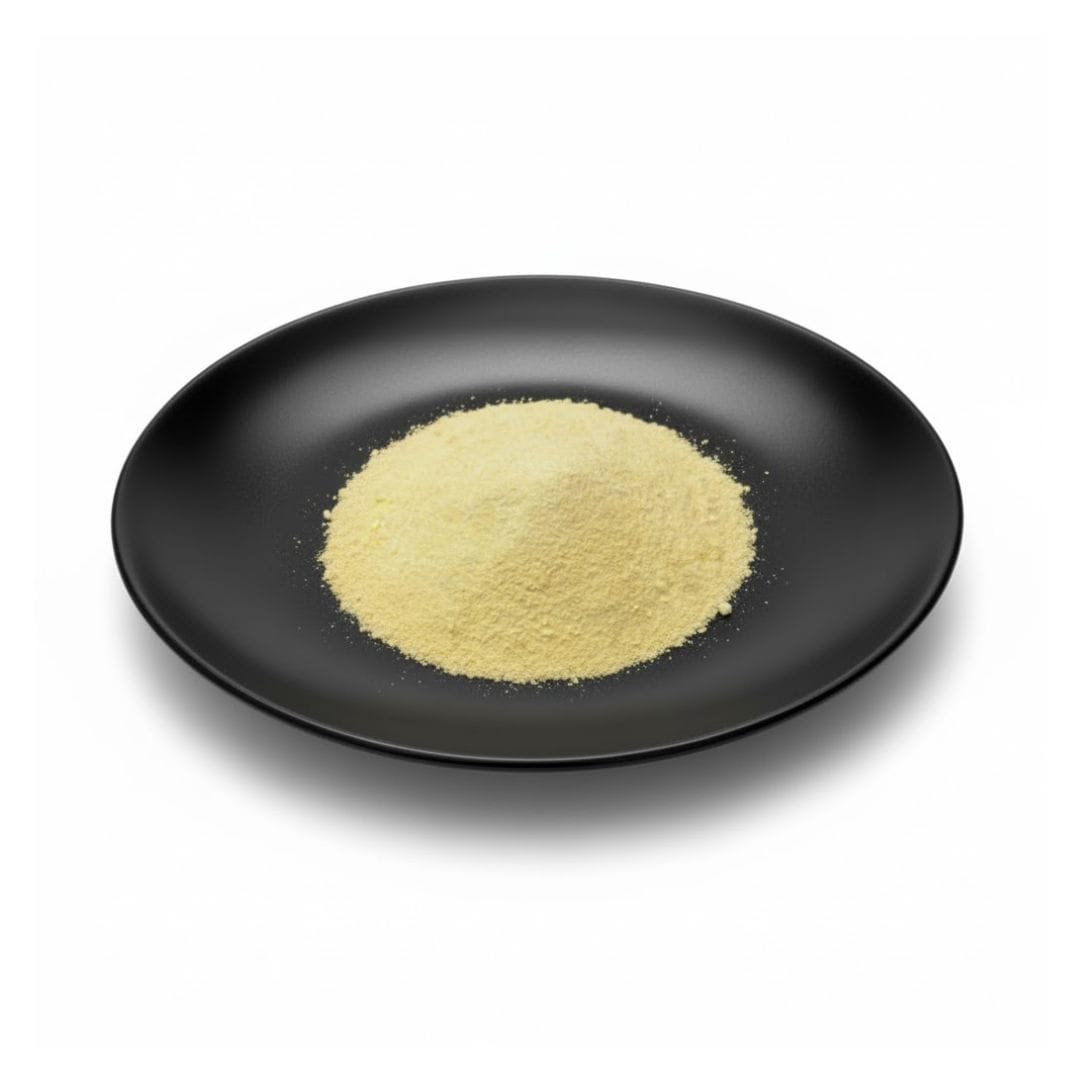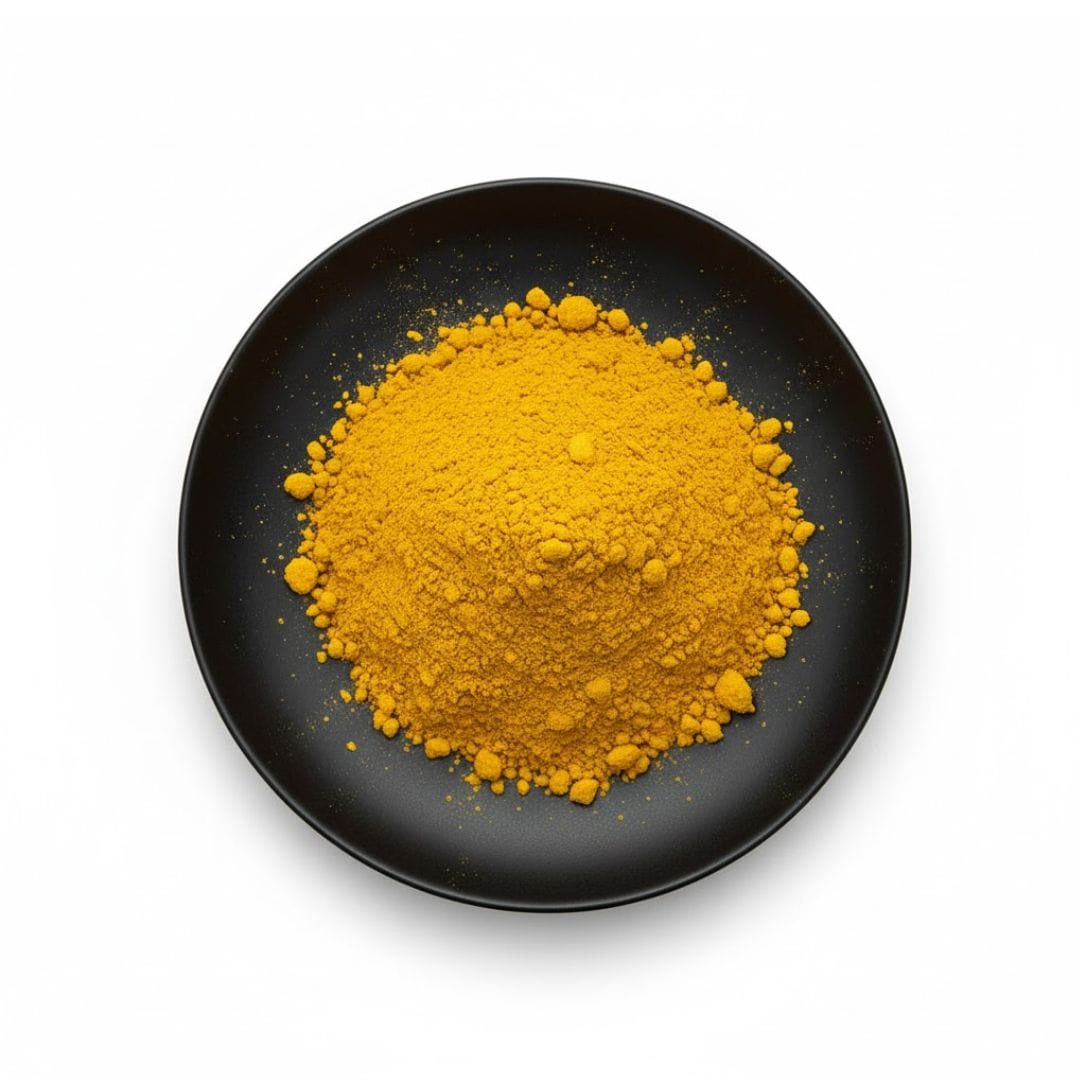
Product Introduction
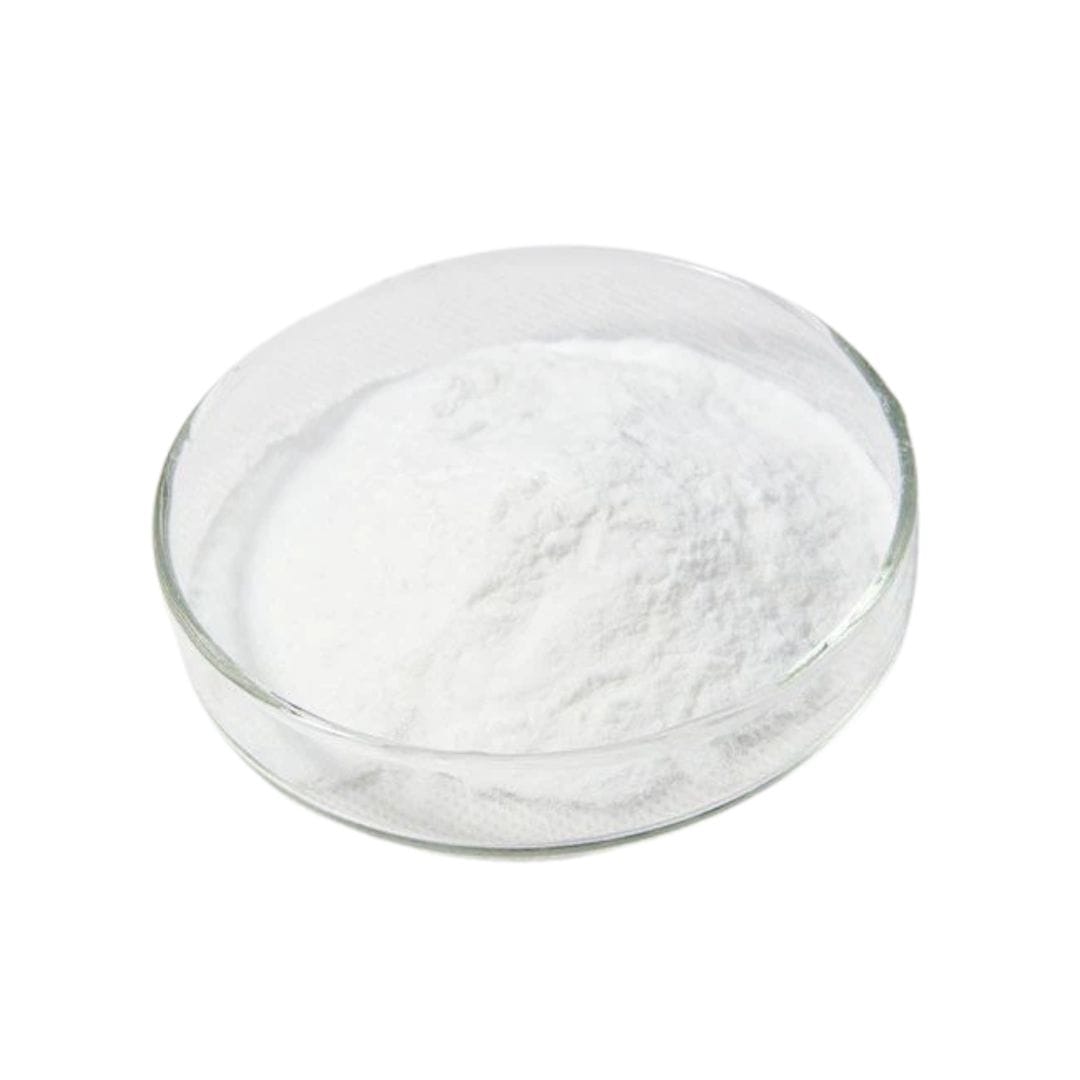
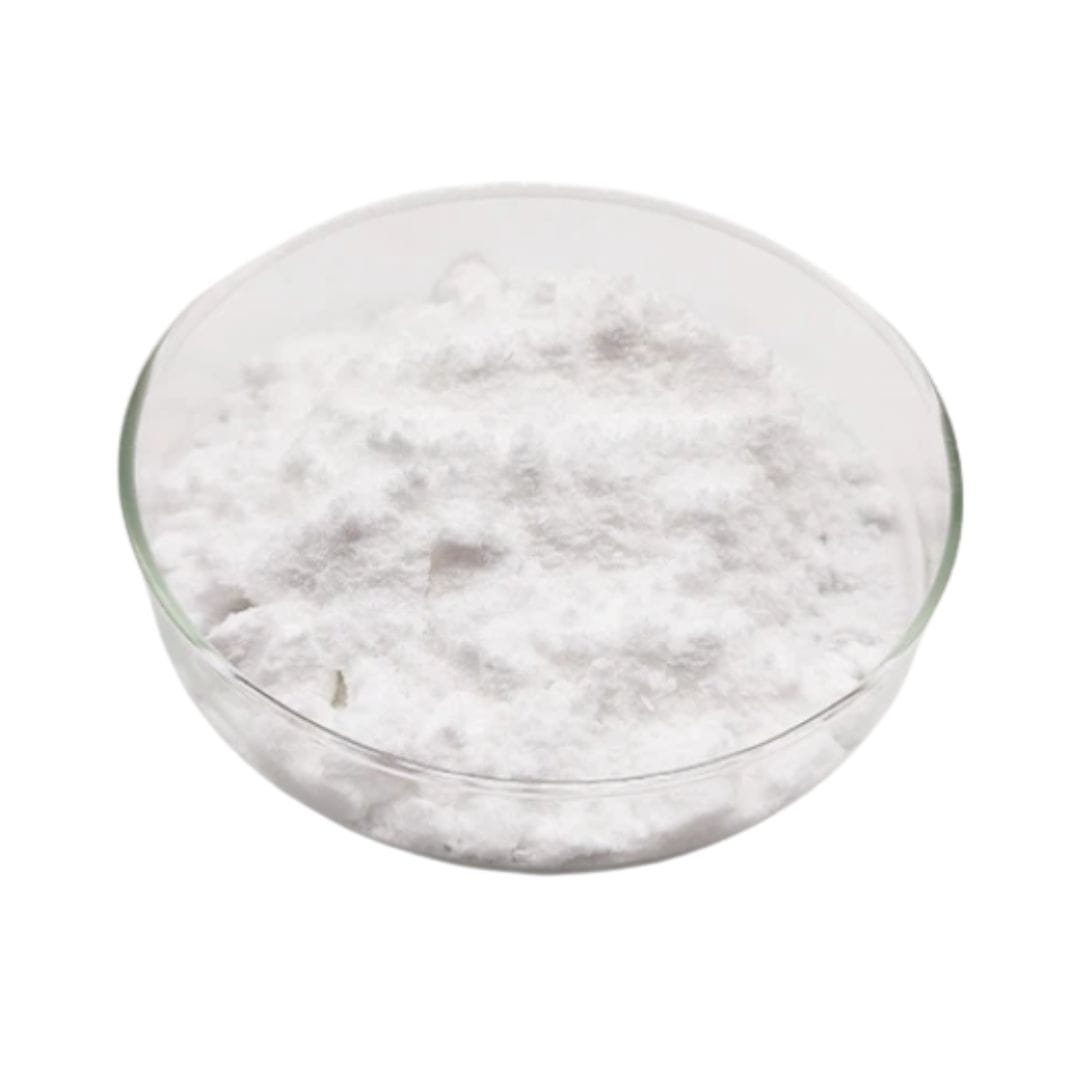
Folic acid, also referred to as vitamin B9 or pteroylglutamic acid, appears as a yellow to orange-yellow crystalline powder and is classified among the water-soluble B-complex vitamins. It derives its name from being highly concentrated in green leafy vegetables. Folic acid comprises a family of structurally and biochemically related compounds formed by the combination of pteridine, para-aminobenzoic acid, and one or more glutamate units (refer to Figure 1). Depending on the substituent groups at positions -R1 and -R2, various folic acid derivatives are formed. When -R1 is -CH3 and -R2 is -H, the compound is known as 5-CH3H4PteGlu (5-methyltetrahydrofolate), the most physiologically active and prevalent derivative of folic acid.
Specification
| ANALYSIS ITEM | SPECIFICATION | RESULT | METHOD |
|---|---|---|---|
| Appearance | Yellow to orange crystalline powder | Complies | Visual |
| Identification | Absorbance 2.8–3.0 | 2.86 | USP35 |
| Sieve Analysis | 100% passes 80 mesh | Complies | USP35 |
| Water | ≤8.5% | 8.0% | USP35 |
| Residue on Ignition | ≤0.2% | 0.12% | USP35 |
| Heavy Metals | |||
| Arsenic (AS₂O₃) | <10ppm | 3ppm | USP35 |
| Total Plate Count | <1000 cfu/g | <10 cfu/g | USP35 |
| Yeast & Mold | <100 cfu/g | <10 cfu/g | USP35 |
| E. Coli | Negative | Negative | USP35 |
| Salmonella | Negative | Negative | USP35 |
| Staphylococcus aureus | Negative | Negative | USP35 |
| Pseudomonas aeruginosa | Negative | Negative | USP35 |
| Assay (anhydrous basis) | 96.0–102.0% | 99.0% | HPLC |
Storage: Store in a cool, dry place. Avoid freezing and exposure to direct sunlight or excessive heat.
Shelf Life: 24 months when stored under recommended conditions.
Conclusion: Meets all quality specifications.
Product Function
Supports healthy fetal development: Folic acid is essential for expectant mothers to prevent congenital abnormalities, particularly neural tube defects in the developing fetus. Early in pregnancy—during organogenesis and placental formation—folic acid deficiency can lead to severe complications such as incomplete neural tube closure, resulting in conditions like spina bifida, anencephaly, or spontaneous miscarriage.
Breast cancer risk reduction: Evidence suggests that vitamin B9 may lower the likelihood of developing breast cancer, particularly among women with high alcohol consumption. Regular supplementation appears to counterbalance the increased carcinogenic risk associated with ethanol metabolism.
Management of ulcerative colitis: As a chronic inflammatory bowel disease, ulcerative colitis often requires multifactorial treatment. Oral folic acid, when used in conjunction with both conventional western therapies and select traditional Chinese herbal regimens, has demonstrated improved outcomes due to its role in mucosal repair and reduced oxidative stress.
Cardiovascular disease prevention: Adequate folic acid intake helps regulate blood homocysteine levels, a known contributor to atherosclerosis. By reducing homocysteine, folic acid protects endothelial integrity, limits LDL-induced plaque formation, suppresses excessive vascular muscle proliferation, and mitigates oxidative stress—thereby lowering overall cardiovascular risk.
Adjunctive treatment for skin and mucosal disorders: Folic acid has shown benefit in supporting the management of vitiligo, recurrent oral ulcers, and atrophic gastritis through its involvement in cellular regeneration and immune modulation.
Product Application
Prevention of Neural Tube Defects (NTDs)
Pregnant women require approximately four times the folic acid intake of non-pregnant individuals. The first trimester is critical for fetal organ development and placental growth, making folic acid indispensable. Deficiency during this window increases the risk of NTDs, early miscarriage, placental abruption, severe nausea, and megaloblastic anemia in later stages.
Dosage: Begin supplementation at least 30–60 days prior to conception. Continue daily use for the first three months post-conception: 0.4 mg per day, ideally after meals. For optimal safety and consistency, sourcing from maternal health clinics or government-approved healthcare providers is advised. Paternal supplementation is also recommended until pregnancy confirmation.Breast Cancer Risk Mitigation
A long-term study by Harvard University involving 88,000 women revealed that while alcohol intake increased breast cancer incidence by ~15%, regular folic acid supplementation reduced risk in this subset by up to 45%. While this protective effect is most clearly documented in high-risk drinkers, it underscores folic acid’s chemopreventive potential.Treatment of Anemia
Clinical and nutritional research supports the combined use of folic acid and vitamin B12 in managing megaloblastic anemia—particularly in pregnant women, breastfed infants, and individuals suffering from malabsorption syndromes such as chronic diarrhea or fat malabsorption (steatorrhea). This combination restores red blood cell production and supports DNA synthesis.Infantile Diarrhea Management
Rotaviruses are a leading cause of severe gastrointestinal illness in infants. Once absorbed and metabolized, folic acid converts to active folates that aid in the repair of small intestinal epithelium and the restoration of immune competence.
Protocol: In addition to rehydration and antiviral therapy, administer folic acid orally at 1 mg/kg in three divided doses per day.Ulcerative Colitis Therapy
Being a chronic, complex condition with limited curative options, ulcerative colitis shows promising response when folic acid is added to integrative treatment plans. Oral folic acid combined with a specialized herbal enema regimen has shown marked improvement in symptoms.
Regimen: Folic acid 10 mg orally, three times daily. Concurrently apply a retention enema formulated from a decoction containing Zithromax 6g, patchouli 3g, Codonopsis pilosula 6g, Du Huo 3g, aged tangerine peel (Chenpi) 2g, Salvia miltiorrhiza 6g, and astragalus (Astragalus membranaceus) 6g. Administer nightly for six weeks per treatment cycle.Cardiovascular Risk Reduction
Low folic acid levels are linked to elevated plasma homocysteine, a key predictor of vascular damage. Homocysteine promotes endothelial injury, accelerates clot formation, enhances low-density lipoprotein (LDL) oxidation, and triggers proliferation of vascular smooth muscle—leading to dysfunctional endothelium and increased cardiovascular events. Folic acid mitigates these effects by lowering homocysteine and reducing oxidative stress, thus improving coronary endothelial function and offering strong preventive benefits.Chronic Atrophic Gastritis Support
This gastrointestinal condition lacks definitive therapies and often leads to prolonged discomfort. Studies show that folic acid, when paired with Morodan, enhances therapeutic outcomes by slowing excessive cell turnover, minimizing mucosal damage, supporting spleen function, relieving bloating, and improving pain-related pathways.
Procedure: Add folic acid (10 mg, three times daily) to standard Morodan treatment regimens.Perimenopausal Depression Treatment Enhancement
Clinical trials indicate that combining folic acid and vitamin B12 with estradiol valerate significantly improved depressive symptoms compared to estradiol therapy alone. Folate supports neurotransmitter metabolism and neuroplasticity.
Treatment Plan: Estradiol valerate 0.5 mg orally once daily for 28 days; folic acid 0.4 mg, three times daily; vitamin B12 25 μg, three times daily, all for a full 28-day regimen.Oral Ulcers & Age-Related Atrophic Lingual Inflammation
Deficiency in folic acid and vitamin B12 disrupts the rapid turnover of tongue epithelial cells. Folic acid accelerates epithelial regrowth and mucosal tissue regeneration, dramatically shortening recovery time. Integrating folic acid into conventional treatments for mouth ulcers and senile atrophic glossitis yields faster healing and noticeable symptom relief.
Delivery & Packaging
Standard packaging includes heat-sealed foil bags (1 kg per bag) for powder form, and HDPE drums for larger quantities (25 kg per drum). Custom packaging options are available upon request to meet specific client needs.
We offer flexible delivery solutions: express courier (DHL, FedEx, TNT), air freight, and sea transport, depending on destination, volume, and urgency.
For visual reference on packaging types, material specifications, and shipping configurations, please refer to the images provided.
Should you have any inquiries or requests regarding Vitamin B9 (Folic Acid) Powder, kindly reach out via email: [email protected].