What Is Talc?
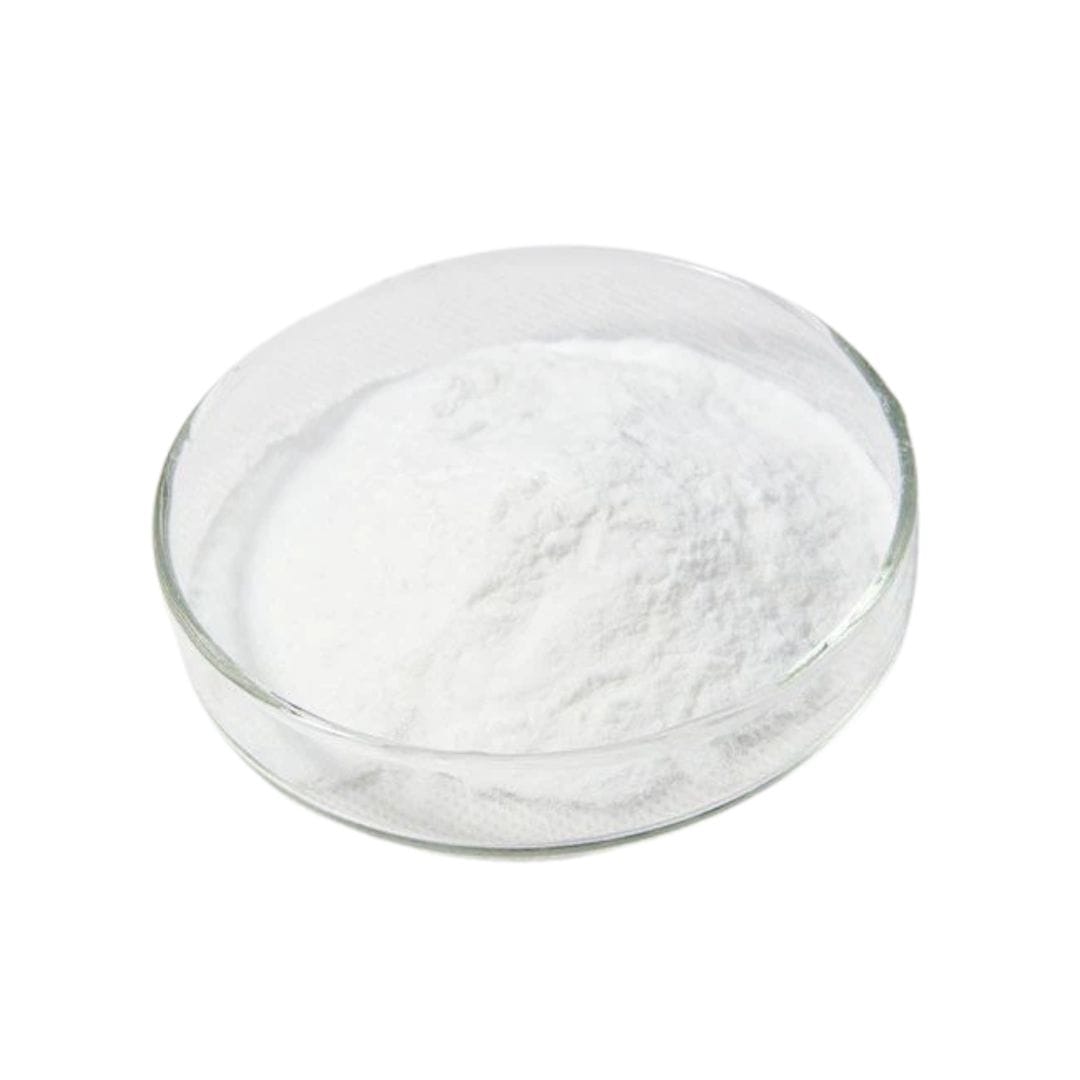
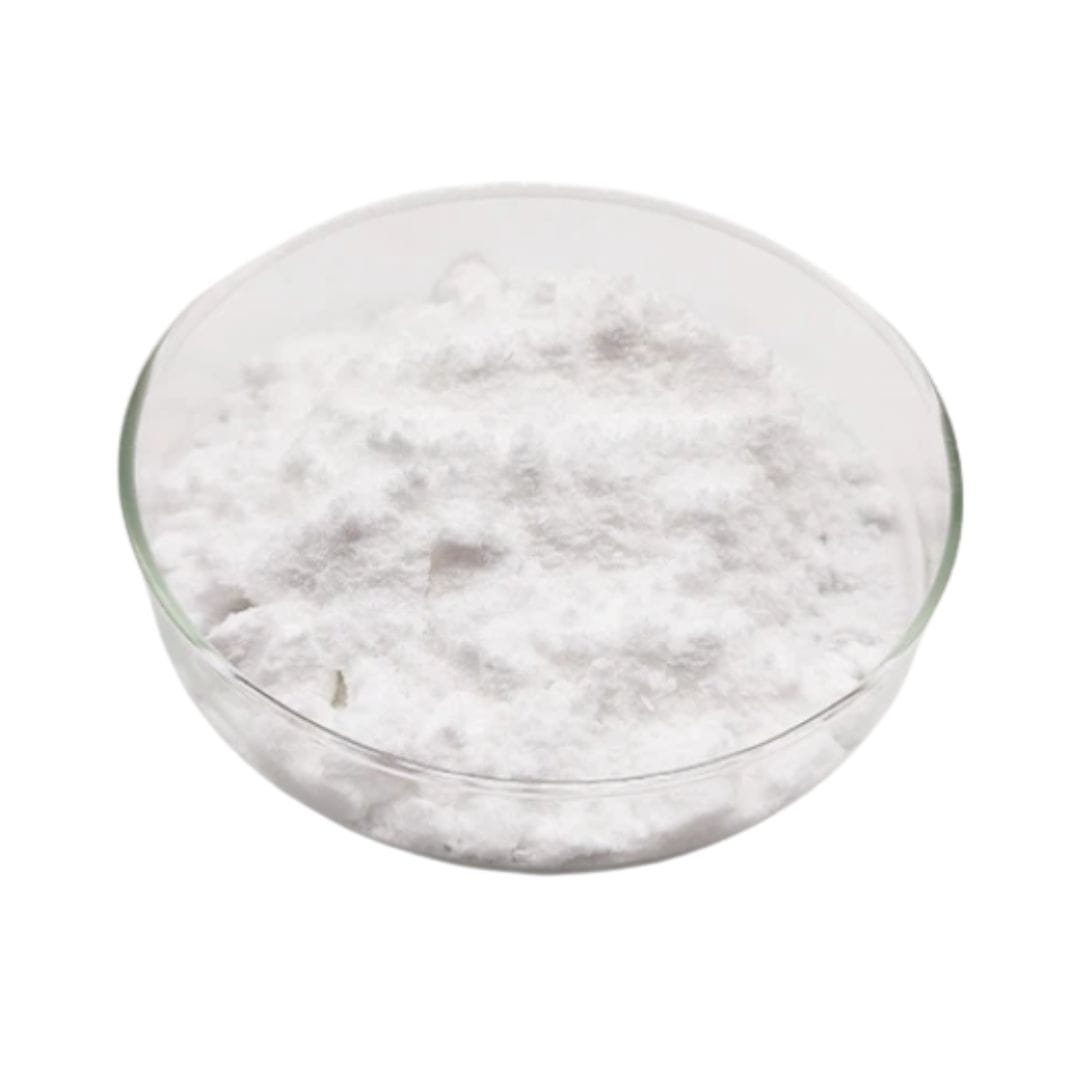
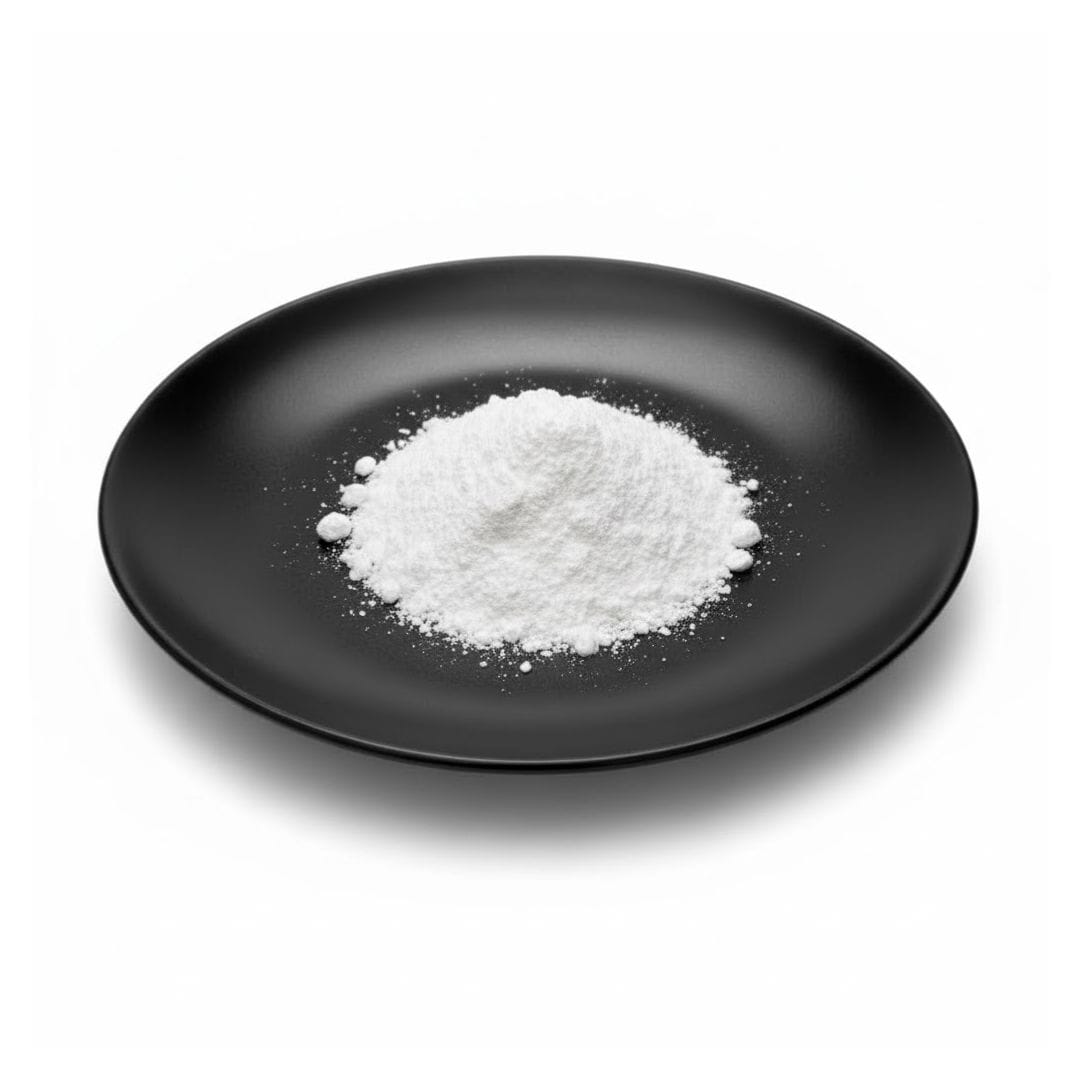
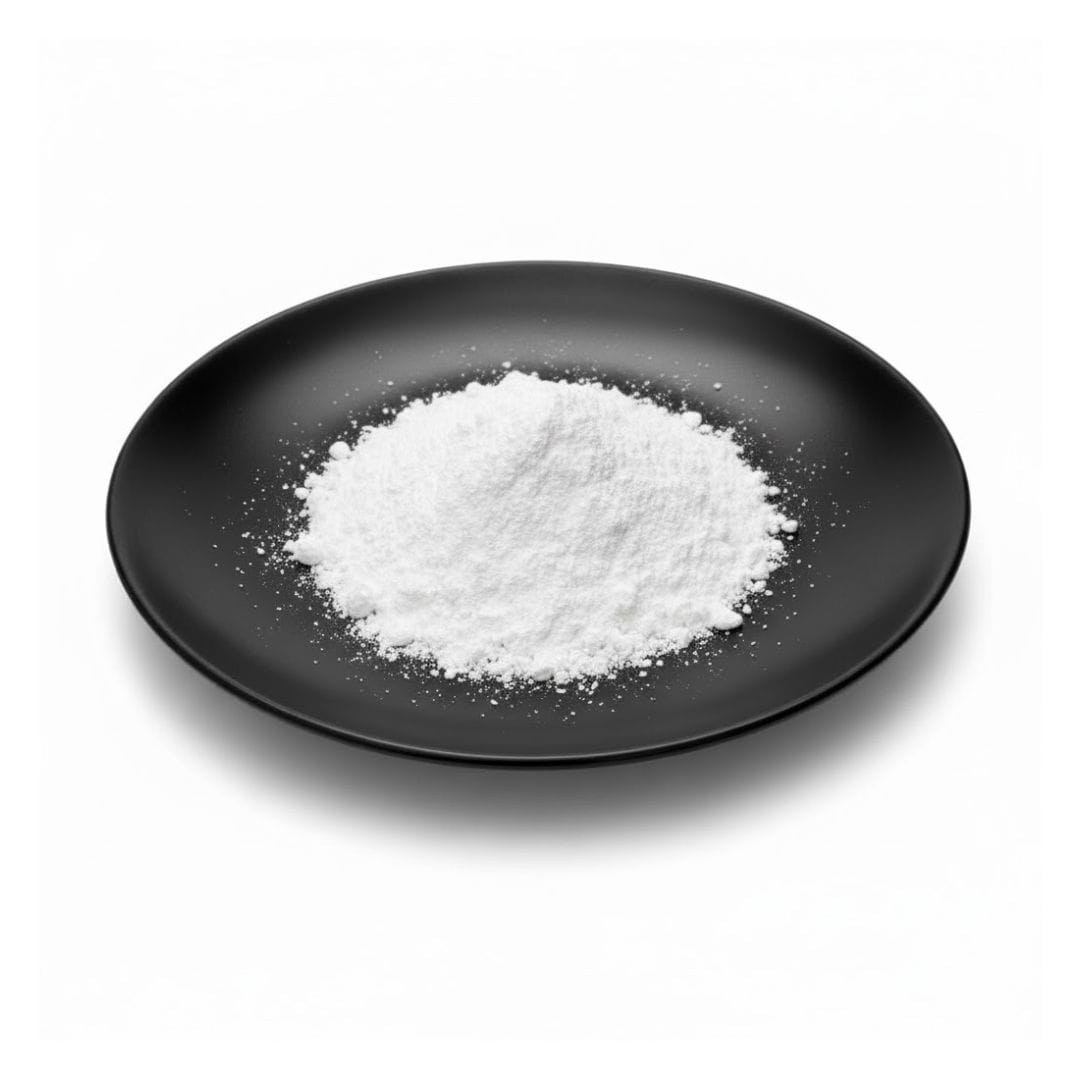
Talc is a naturally occurring mineral composed of magnesium, silica, oxygen, and trace amounts of water. Once extracted from the earth, the raw form undergoes processing—crushed and milled into a fine, velvety powder.
Known for its silky, absorbent qualities and ability to hold fragrances, talc serves as a key component in baby powder and a wide range of cosmetic formulations. It is the main ingredient in iconic products like Johnson’s Baby Powder.
However, natural talc deposits are often found in geological formations adjacent to asbestos—a known carcinogen. As a result, untreated talc may carry asbestos contamination. While cosmetic-grade talc is highly refined and intended to be asbestos-free, historical testing has occasionally detected trace asbestos residues in talc-based personal care items, including baby powders.
What Products Contain Talc?
Though famously associated with baby powder, talc is widely used across the beauty and personal care industry. It appears in numerous makeup products such as eyeshadow, blush, foundation, and setting powders.
In cosmetics, talc enhances performance by absorbing excess moisture, delivering a smooth, lightweight texture, and ensuring even application. It helps prevent product clumping and contributes to the matte, full-coverage finish consumers expect. Talc is also prevalent in deodorants, dry shampoos, and other hygiene essentials.
Fact
Thanks to its exceptional physical properties, talc is a staple ingredient in personal care formulations—from skincare powders and deodorants to soaps and facial cosmetics. Its ability to absorb moisture, eliminate caking, and scatter light makes it ideal for achieving a flawless, opaque appearance in foundation and other makeup products.
Source: U.S. Food and Drug Administration
Beyond cosmetics, talc plays a role in the pharmaceutical industry and is an approved food additive. It is found in items like rice, candies, and chewing gum, where it acts as an anti-caking agent. When ingested, talc is considered safe because it remains chemically unchanged through the digestive system.
Industrial applications are equally diverse—talc is included in roofing materials, adhesives, caulks, sealants, paints, and more.
Is Talcum Powder Safe for Babies?
Despite its widespread use and nickname, “baby powder” can pose serious risks to infants and young children. When applied, loose talcum powder can become airborne, forming dense dust clouds that are easily inhaled. Inhaling talc particles can lead to significant respiratory distress and potentially life-threatening complications.
Given these dangers, major pediatric associations and healthcare providers advise against using talcum powder on babies and children.
Common signs of talc inhalation may include:
- Chest discomfort
- Persistent coughing
- Difficulty breathing
- Wheezing
- Rapid or shallow breathing
How to Protect Your Baby
- Choose a cornstarch-based alternative instead of talc powder.
- Store baby powder securely, out of reach of children.
- Keep powder away from your baby’s face to minimize inhalation risk.
- Apply powder to your hands first—away from the child—before gently transferring to the skin.
- Use only a small amount when necessary.
- Avoid applying powder on irritated or broken skin.
- Never use any kind of powder on premature babies or those with existing respiratory conditions.
- When treating diaper rash, opt for medicated creams or ointments instead of powders.
Packaging & Delivery
| Cargo Weight | Packing | Shipping Method | Lead Time |
|---|---|---|---|
| 5–50 kg | <5 kg: Foil pouch; 5–25 kg: Double-layer PP bag inside master carton or cardboard drum | International express | 7–10 days |
| 100–200 kg | 25 kg per drum, double-layer PP bag, packed into cardboard drum | Air shipping | 7–10 days |
| 500+ kg | 25 kg per drum, double-layer PP bag, packed into cardboard drum | Sea shipping | 20–45 days |
Standard packaging is 25 kg per drum. For orders exceeding 50 kg, air freight is available; orders over 100 kg qualify for sea freight.
FAQ
Can I request a free sample?
Yes, we provide complimentary samples of our talcum powder. However, shipping fees must be covered by the client.What payment methods do you accept?
Payments can be made via bank transfer (T/T), credit card, Western Union, PayPal, and other secure options.How do you ensure product quality?
With over a decade of expertise in the field, Extract Makers has established a robust quality control system. Final inspections are conducted prior to dispatch to guarantee consistency and safety.Do you offer OEM services?
We welcome OEM partnerships. Simply share your specifications, and we’ll provide a competitive quote and produce initial samples quickly.How can I contact you?
Reach out via email, Skype, WhatsApp, or phone—our full contact details are available on our website.
Extract Makers supplies high-quality Talcum Powder to clients worldwide. For inquiries or additional details, please contact us at [email protected]