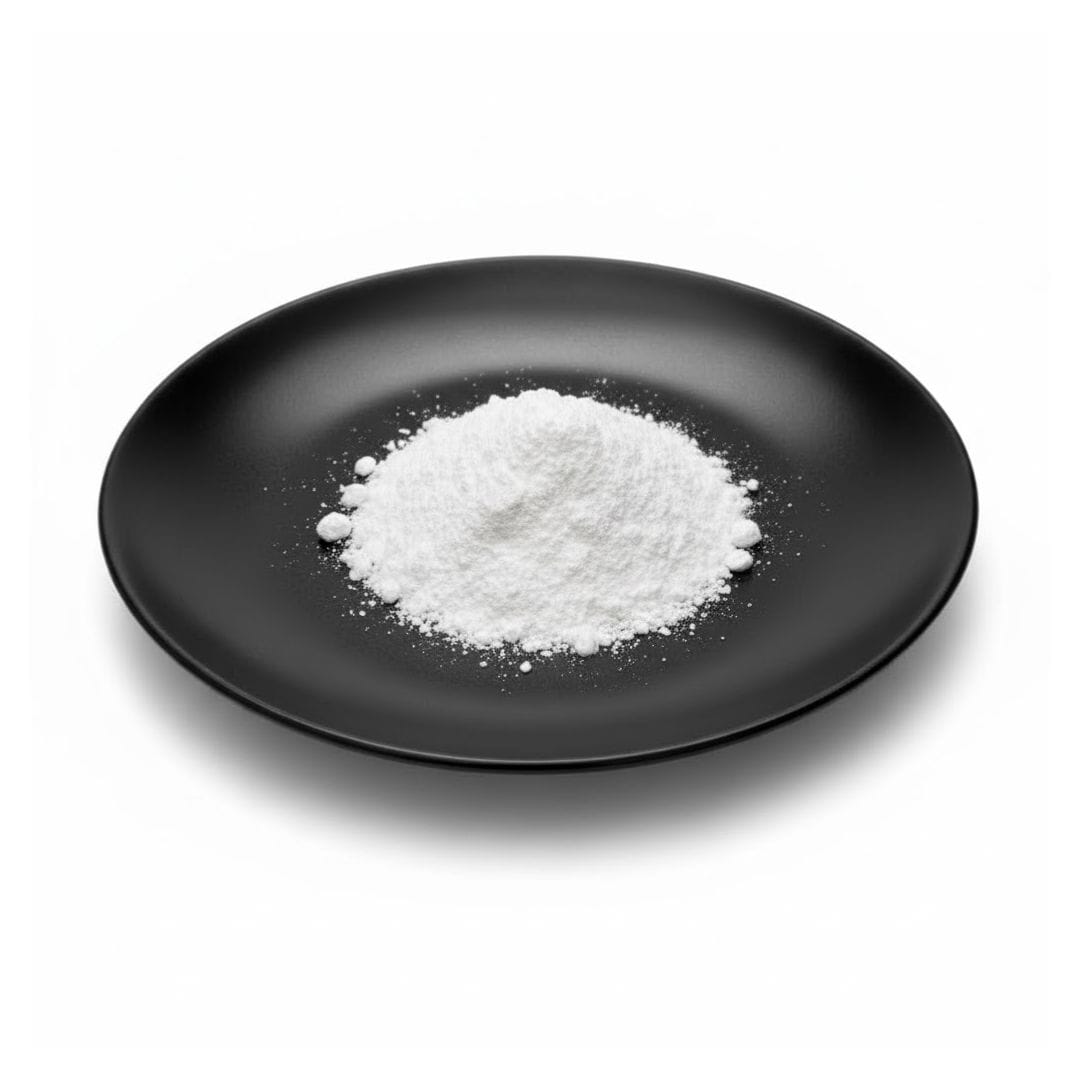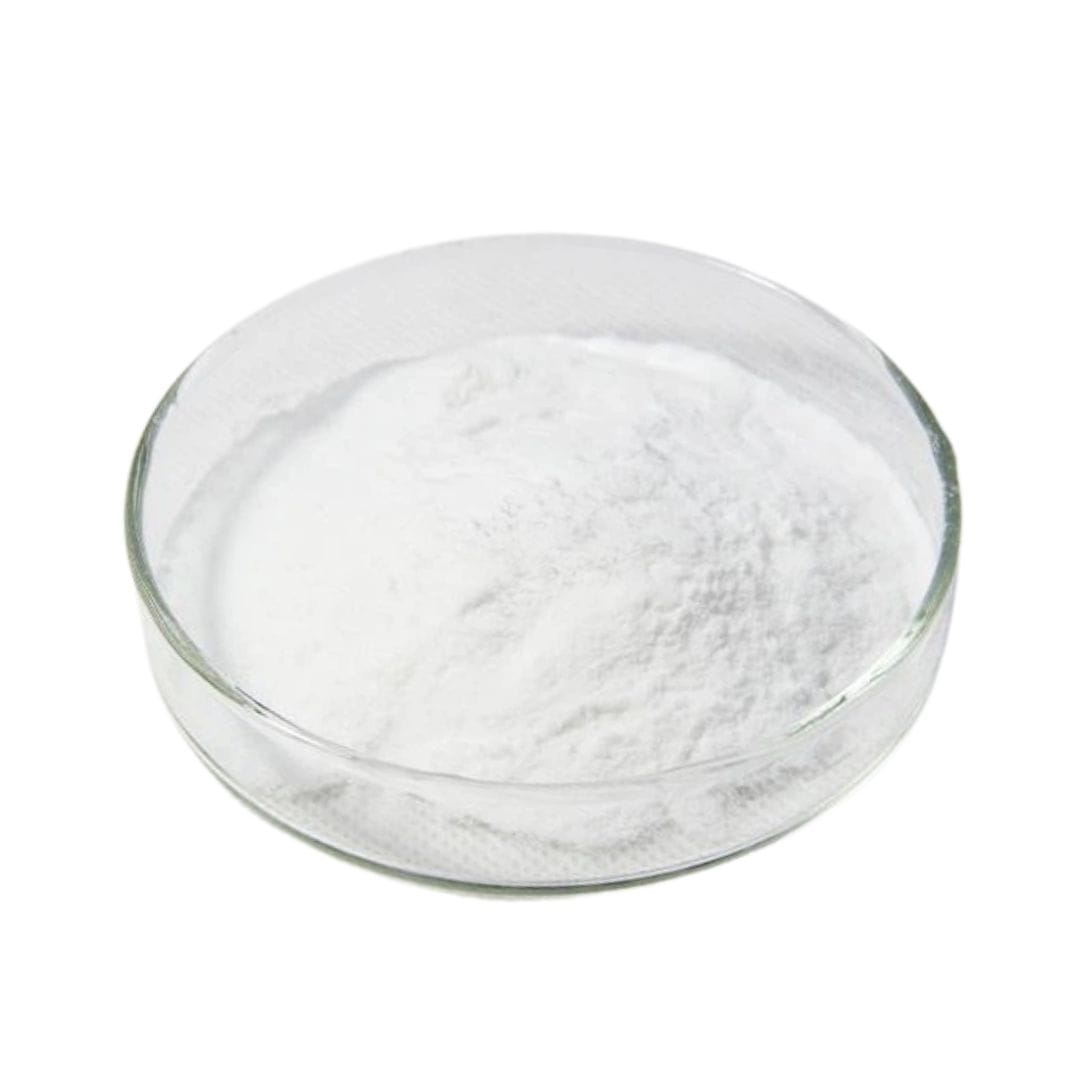
What is Natamycin Powder?
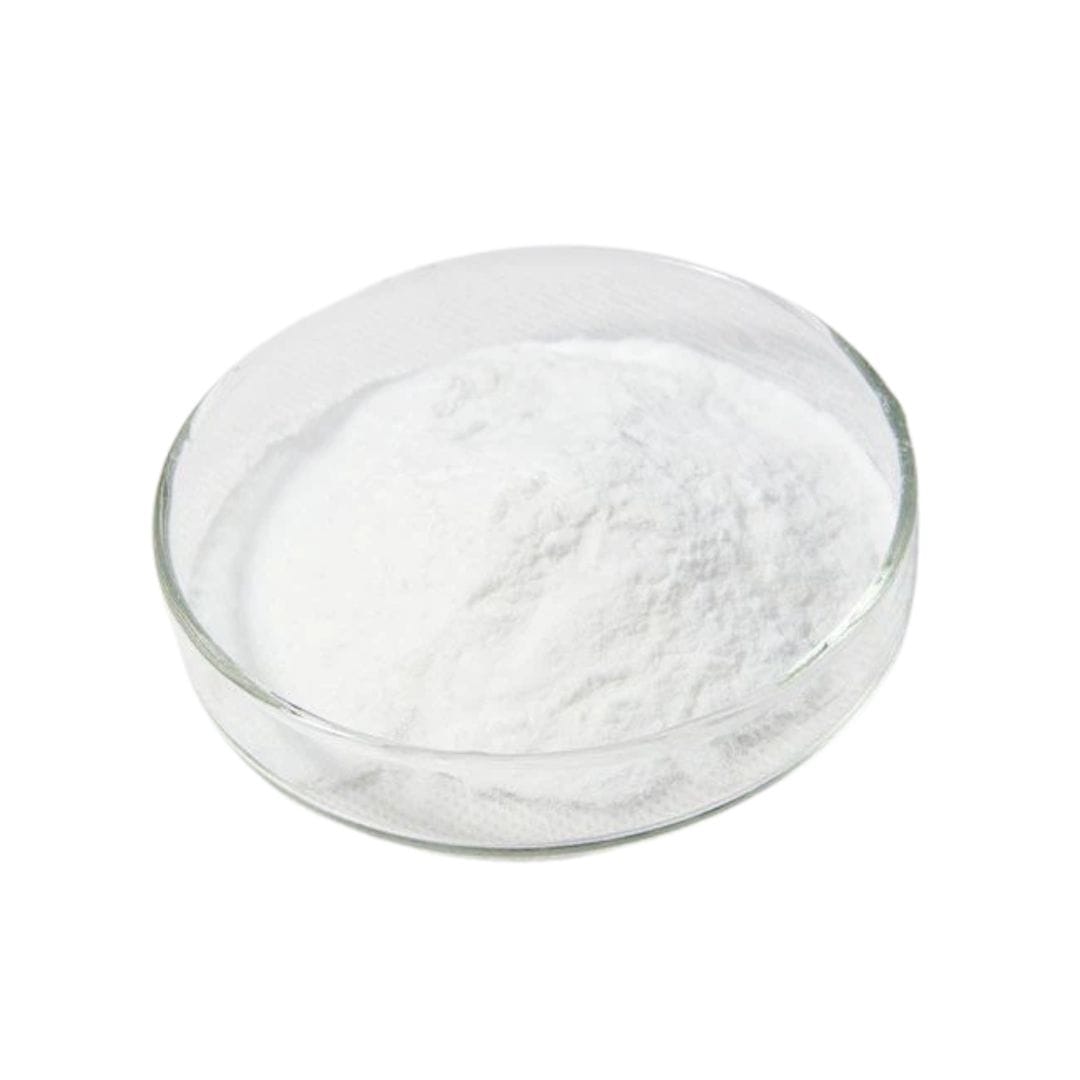
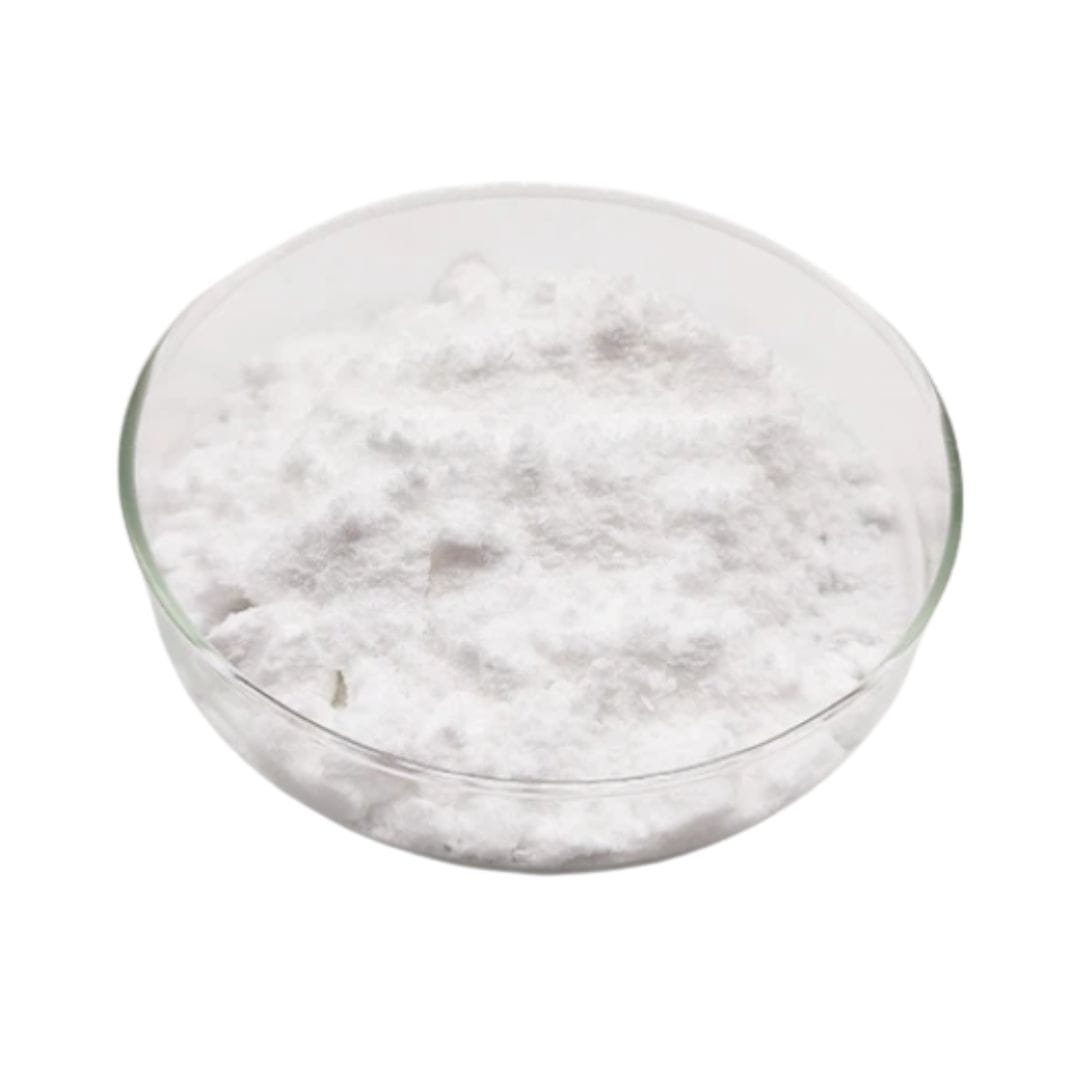
Natamycin, also referred to as pimaricin or natafucin, was first discovered in Streptomyces natalensis in 1955. Its antimicrobial efficacy surpasses that of traditional preservatives like sorbate. In 1982, the U.S. FDA formally recognized natamycin as GRAS (Generally Recognized as Safe) and approved its use as a food preservative. As a potent, broad-spectrum inhibitor of molds, yeasts, and fungi, natamycin effectively controls microbial growth across a wide range of foods. It is entirely safe for human consumption, remains non-toxic, produces no off-flavors, and is widely utilized in cheeses, meats, baked goods, juices, and other perishable products worldwide. This high-purity powder is manufactured by Extract Makers through deep fermentation of Streptomyces natalensis, followed by a multi-stage purification process. The final formulation consists of 50% natamycin and 50% lactose as a carrier.
Synonyms
Natamycin, A5283, Delvolan, Delvocid, Myprozine, Natacyn, Natafucin, Pimafucin, Pimafugin, A5263, CL12625, E235; Natamycin (Fermentation Process); (1R,3S,5R,7R,8E,12R,14E,16E,18E,20E,22R,24S,25R,26S)-22-{[(3-Amino-3,6-dideoxy-β-D-mannopyranosyl*)oxy]}-1,3,26-trihydroxy-12-methyl-10-oxo-6,11,28-trioxatricyclo[22.3.1.0⁵,⁷]octacosa-8,14,16,18,20-pentaene-25-carboxylic acid; PIMARICIN; NATAMYCIN; PIMARICIN, *Streptomyces chattanoogensis*; Antibiotica-5283
Product Specification
- Product Name: Natamycin Powder
- CAS No.: 7681-93-8
- Molecular Weight: 665.73 g/mol
- EINECS: 231-683-5
- Chemical Formula: C₃₃H₄₇NO₁₃
- Boiling Point: 952°C
- Density: 1.0 g/mL at 20°C (literature value)
- Specific Rotation: [α]D²⁰ +278° (c = 1 in CH₃COOH)
Function
Natamycin is a natural, high-efficiency fungal growth inhibitor belonging to the polyene macrolide class of antibiotics. It is biosynthesized via the fermentation of Streptomyces natalensis and stands as the only bio-derived antifungal food preservative approved for commercial use—offering broad-spectrum activity, superior safety, and neutral sensory impact.
The mechanism of action involves the interaction between natamycin’s large lactone ring and sterol molecules embedded in the fungal cell membrane. This binding disrupts membrane integrity by creating transmembrane pores that increase permeability. The hydrophilic zones in the macrolide structure allow water to pass through these channels, leading to uncontrolled leakage of cellular contents—including amino acids, ions, and electrolytes—ultimately causing cell death.
Crucially, animal and human cells lack the sterol composition targeted by polyene antibiotics, rendering natamycin highly selective for fungal cells. As such, it shows no toxicity in humans, is poorly absorbed in the gastrointestinal tract, and exhibits no mutagenic, carcinogenic, or allergenic potential. Natamycin is therefore celebrated as a clean, safe, natural, and residue-free answer to food spoilage caused by fungal contamination.
Application
Natamycin’s approval status spans multiple global regulatory frameworks:
- The European Union permits its use on cheese and meat products.
- In the Netherlands, it is authorized for preserving apples and pears.
- The U.S. FDA has approved it for application on cheeses and other dairy surfaces.
- Middle Eastern nations allow its use across all food categories as a mold inhibitor.
- Brazil, Argentina, and other Latin American countries endorse its application in cheeses and processed meats.
- Since 1997, its use has been officially licensed by China's Ministry of Health for food preservation.
Common applications include:
- Surface treatment of cheeses, spiced meats, smoked meats, roasts, fermented sausages, cured hams, and meat pastes
- Prevention of mold growth on pastries, fruit pulps, and food processing equipment
- Formulation into fermented wines, mayonnaise, and salad dressings
- Addition to feed to prevent mold deterioration
In 2000, a study by Wyatt et al. evaluated feed preservation using natamycin. A test involving 191 potentially hazardous Aspergillus strains exposed to increasing concentrations of natamycin demonstrated complete inhibition, with a minimum inhibitory concentration (MIC) of less than 0.4 g/L across all tested strains—confirming its high potency even at low dosages. The FDA has also approved its inclusion in animal feed at 11 ppm to combat feed mold.
Packaging & Delivery
FAQ
1. Can I request a free sample?
Yes, we provide complimentary samples of Natamycin powder upon request. The recipient covers shipping costs only.
2. What payment methods do you accept, and what are the terms?
We support secure transactions via T/T (bank transfer), credit card, Western Union, PayPal, and other trusted platforms.
3. How do you ensure product quality at your facility?
With over a decade of expertise in natural extract development, we operate under strict, time-tested quality assurance protocols. Every batch undergoes final inspection before dispatch to guarantee compliance and purity.
4. Do you offer OEM services?
Absolutely. We specialize in custom formulation, private labeling, and OEM production. Simply share your specifications, and we’ll provide a competitive quote and sample delivery at speed.
5. How can I reach you?
We’re available via email, Skype, WhatsApp, or direct phone call. Contact information is clearly listed on our official website.
For further inquiries, product documentation, or to discuss your specific formulation needs, please don’t hesitate to reach out:
Email: [email protected]